The Empire Builder is an Amtrak train that runs daily between Chicago and Seattle/Portland that runs through eight of states in about 46 hours (without delays). It is similar to the California Zephyr in the way that many people take it just for the scenery.
I became a full-blown Amtrak vacation fan after my trip on the California Zephyr. I couldn’t wait to take my next trip, so I invited my brother (under the guise of sibling bonding) to take the Empire Builder five months after my last adventure.
This post will focus more on the trip itself and how it compares to my experience on the California Zephyr. If you’d like to read about that trip or get more insight into how to prepare for a trip like this, you can visit that post at this link.
Route History
Below are a few key dates and fun facts about this route. This is by no means a comprehensive history, but just a few things you can bring up to your fellow passengers if you take this ride. I’d also maybe just keep the derailments to yourself though.
June 10, 1929 – Inauguration of the Empire Builder. It was named after James J. Hill, who had reorganized several railroads, giving him the nickname of the “Empire Builder” It is the second longest continuously run passenger train in the United States
May 27, 1931 – The eastbound Empire Builder was hit by a tornado in North Dakota, derailing most of the cars. One passenger died and 57 were injured
1935 – Air conditioning was instated
1955 – The Empire Builder started carrying the “Great Dome” cars, allowing passengers to get better views of the scenery
March 7, 1966 – The westbound Empire Builder collided with an eastbound mail and passenger train in Montana. Both engineers died and 79 people were injured. This incident became known as the Great Northern Buelow Wreck
1971 – Amtrak took over the route
1979 – First long-distance train to receive the new Superliner equipment, replacing the steam heated cars
1981 – Amtrak added the Portland section of the route, with tracks splitting in Spokane
September 25, 2021 – The westbound Empire Builder derailed in Montana, causing three fatalities. This happened between the same two stops (Joplin and Chester) as the 1966 incident.
Route by the Numbers
Miles Covered: ~2,200
Hours: ~46 (without delays)
2024 Ridership: 387,953
2024 On Time Rate: 55%
2024 Average Minutes Late per Customer: 1 hour, 44 minutes (average late arrival for trains arriving late. Does not include on time trains)
Top Speed: 79 mph
2024 Revenue: $63,700,000
Days on the Empire Builder
Day 1
With me flying in from D.C. and my brother coming from Fort Worth, we met up at O’Hare. I had to bargain with him when he booked his flight to take one of the first ones out because I was deeply paranoid about delays and missing the train. Thankfully, everything ran on schedule, and we both took the Blue Line over to Chicago Union Station without issue. Since we were booked into a bedroom, we had access to the Metropolitan Lounge, which is a great place to pass the time as it has plenty of seating and good WiFi. The only downside is that the employees make boarding announcements to the entire lounge (very loudly, might I add), which made taking meetings a bit difficult as I had to keep pausing and explaining that I was at a train station. Luckily everyone was pretty understanding as I had told them the day before I was going to be in transit this day.
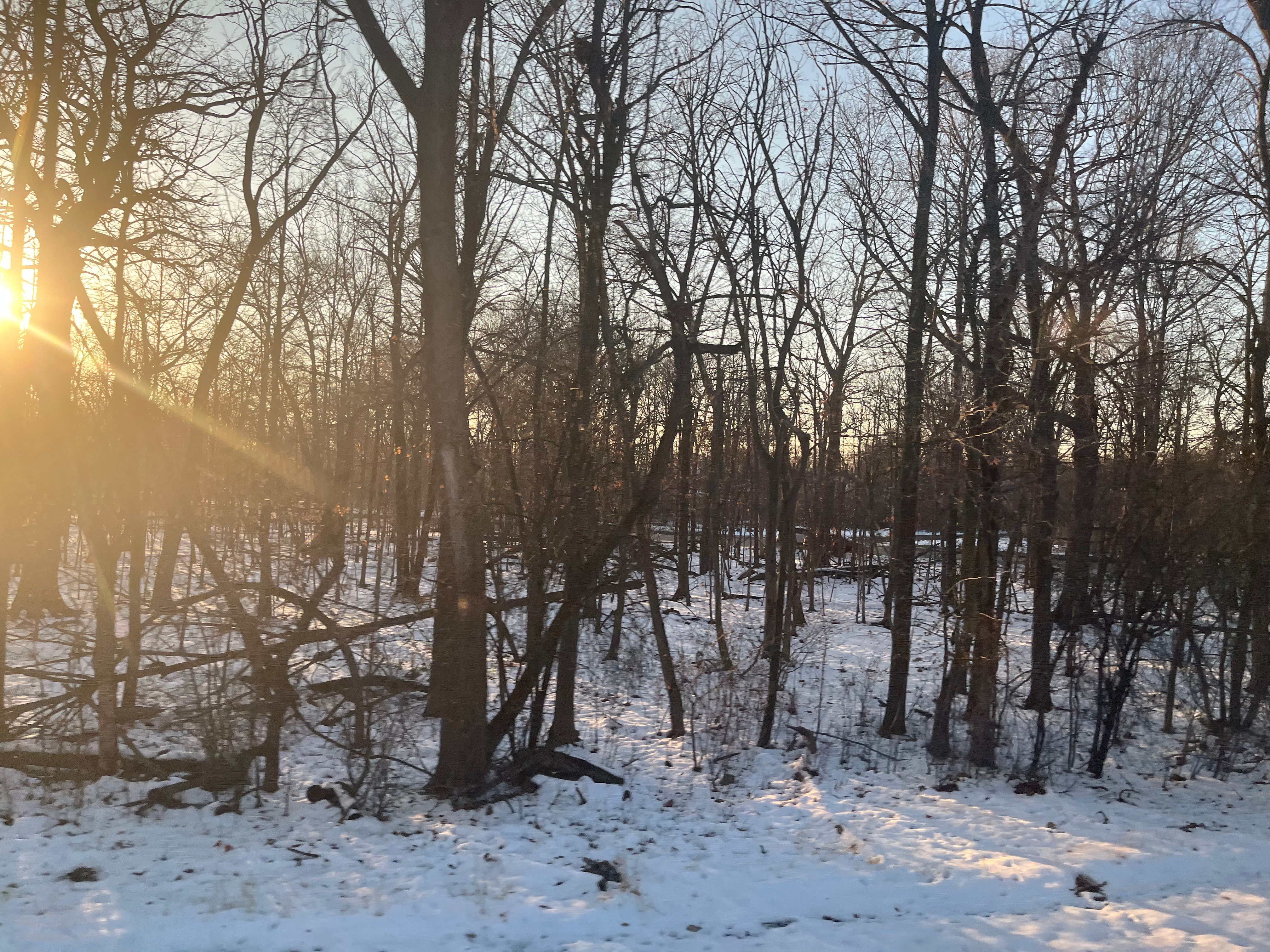
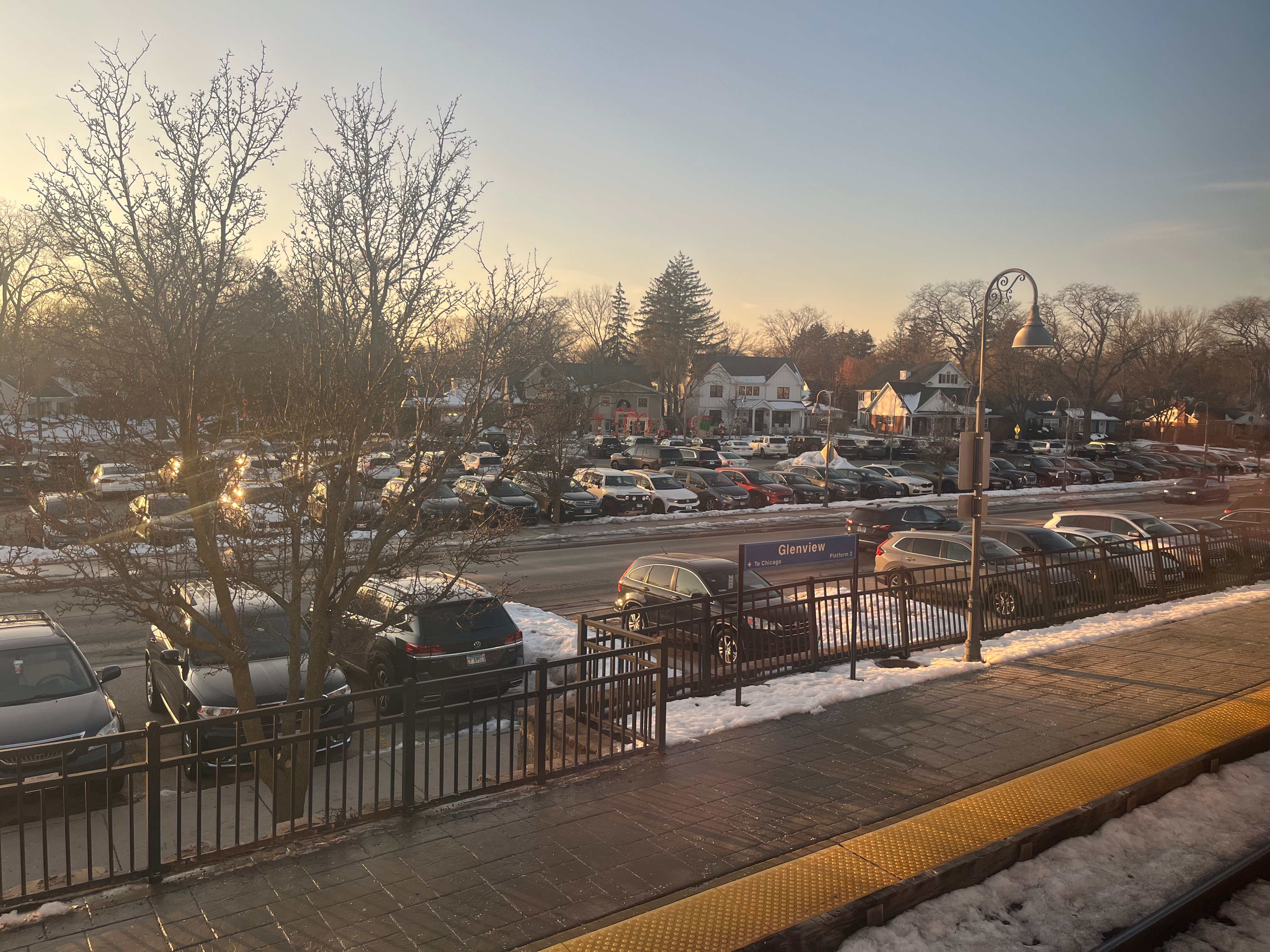
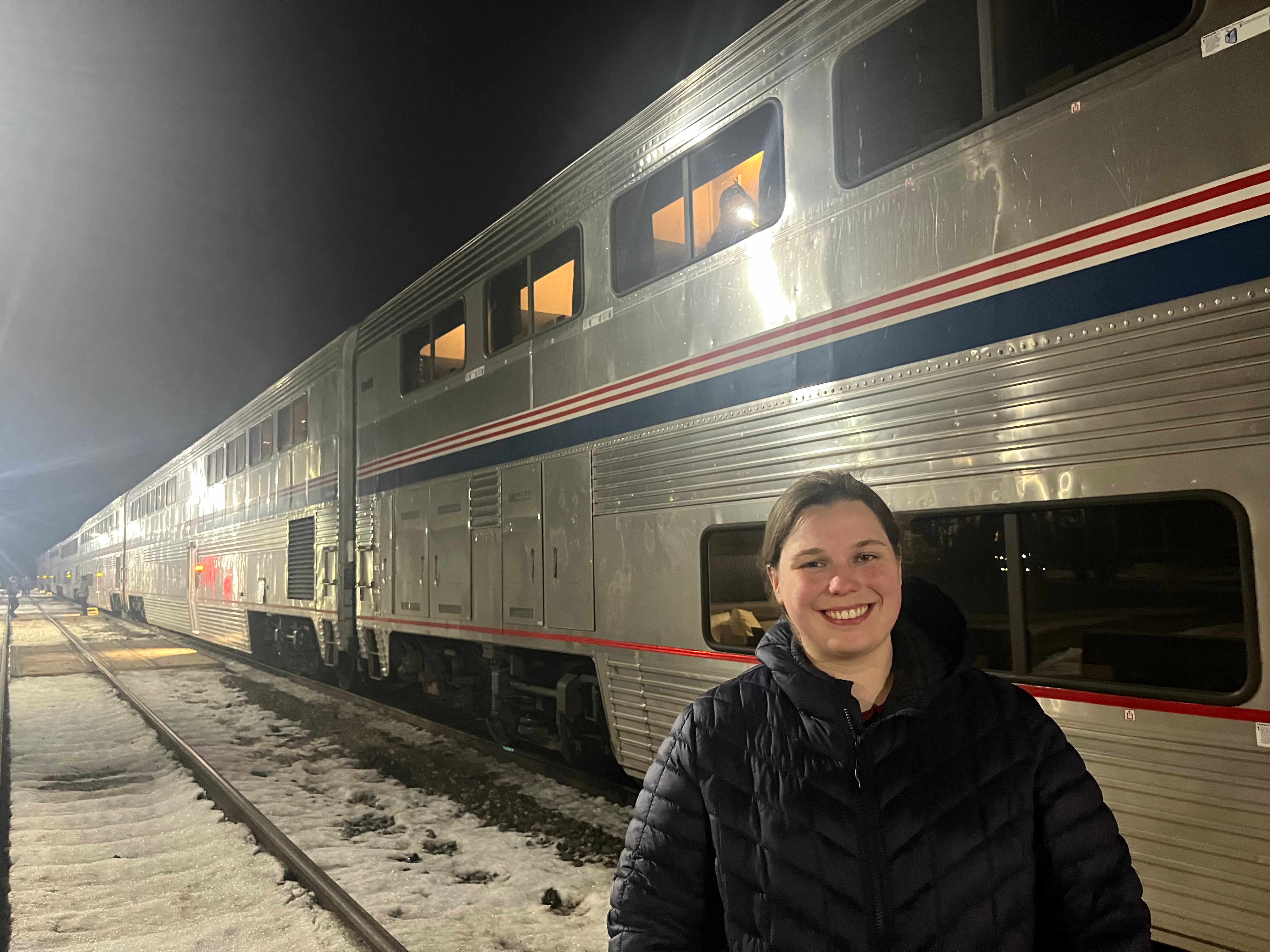
At 2:30, we got our own ridiculously loud boarding announcement. It was on time, which was much to my surprise after my two-hour-late California Zephyr experience. Because the train splits into Portland and Seattle sections later on, boarding was done in a very specific order to ensure everyone ended up in the correct cars. Once onboard and settled into our room, we were immediately glad we’d upgraded. I don’t know if we would have been on speaking terms after the trip if we had tried to squeeze into the roomette. We made it out of the city pretty quickly and headed into the suburbs, which had a lot of trees and houses covered with snow. We also saw the occasional frozen lake or pond, which is kind of a foreign concept to two people from Texas. We also saw a lot of deer, which is less of a foreign concept, but always fun to point out anyway.
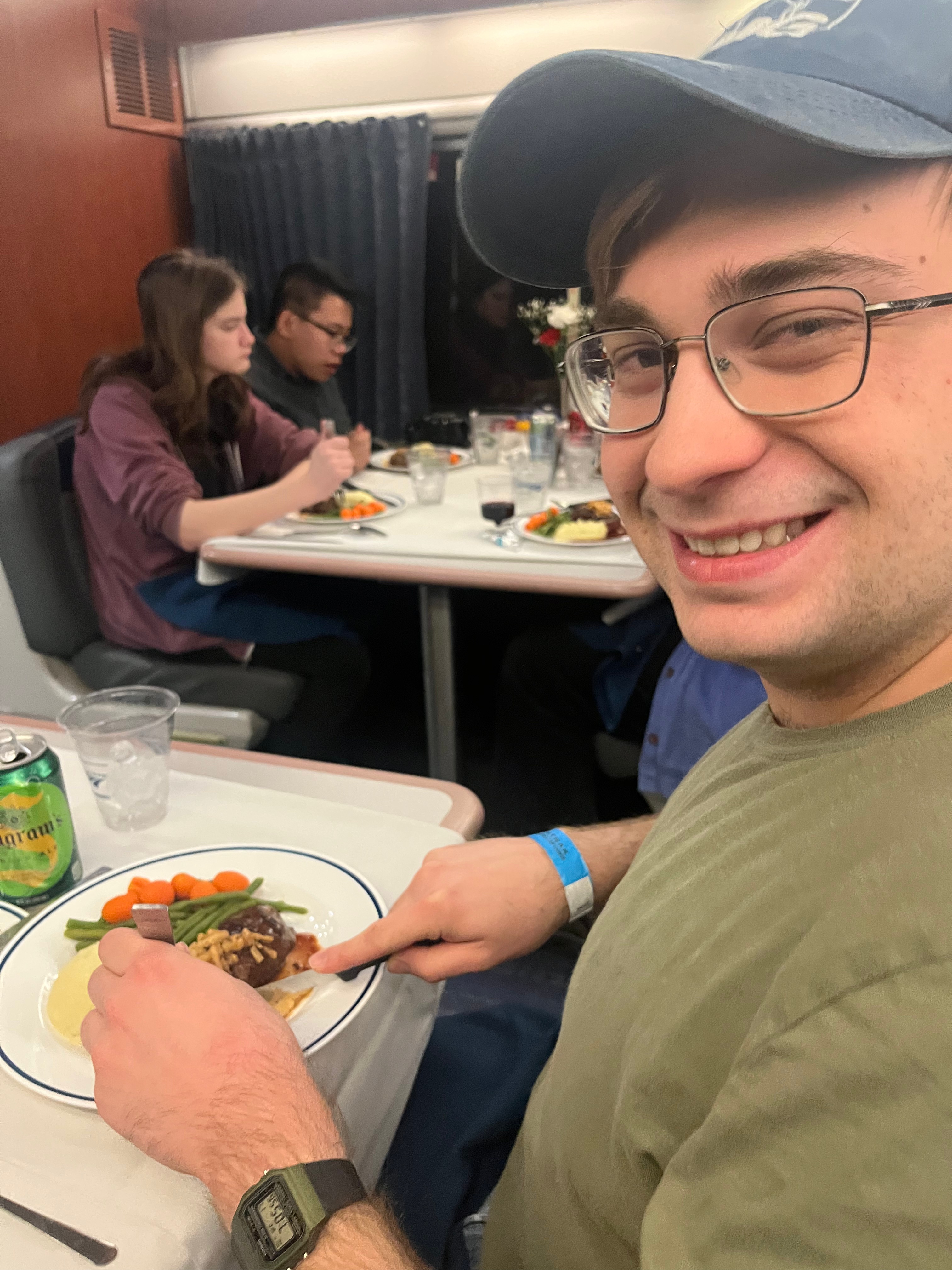
As soon as the dining car attendant took our dinner order, we ran to the observation car. I was in a rush because I remembered how hard it was to get a seat on the California Zephyr, but when we got there, we realized there was definitely no rush. Since we took this train in the winter and not during peak summer travel season, there was little to no competition for a seat. We decided to stay until the sun set to enjoy the first day views, pointing out all the cool things we saw (mostly families of deer) and making fun of the cars stuck behind the train gate while we passed. When we eventually returned for dinner, I noticed the tables were decorated with red and white carnations and baby’s breath instead of the usual roses. Whether it was a supply issue or a seasonal choice, I appreciated the commitment to the color scheme.
After dinner, we headed back to our room to get ready for bed. However, before turning in, we made sure to take advantage of the fresh air break in Winona. We sure appreciated the stop, and I’m guessing the passenger who tried to get away with smoking in the coach bathroom about 20 minutes into the trip appreciated it even more.




Day 2
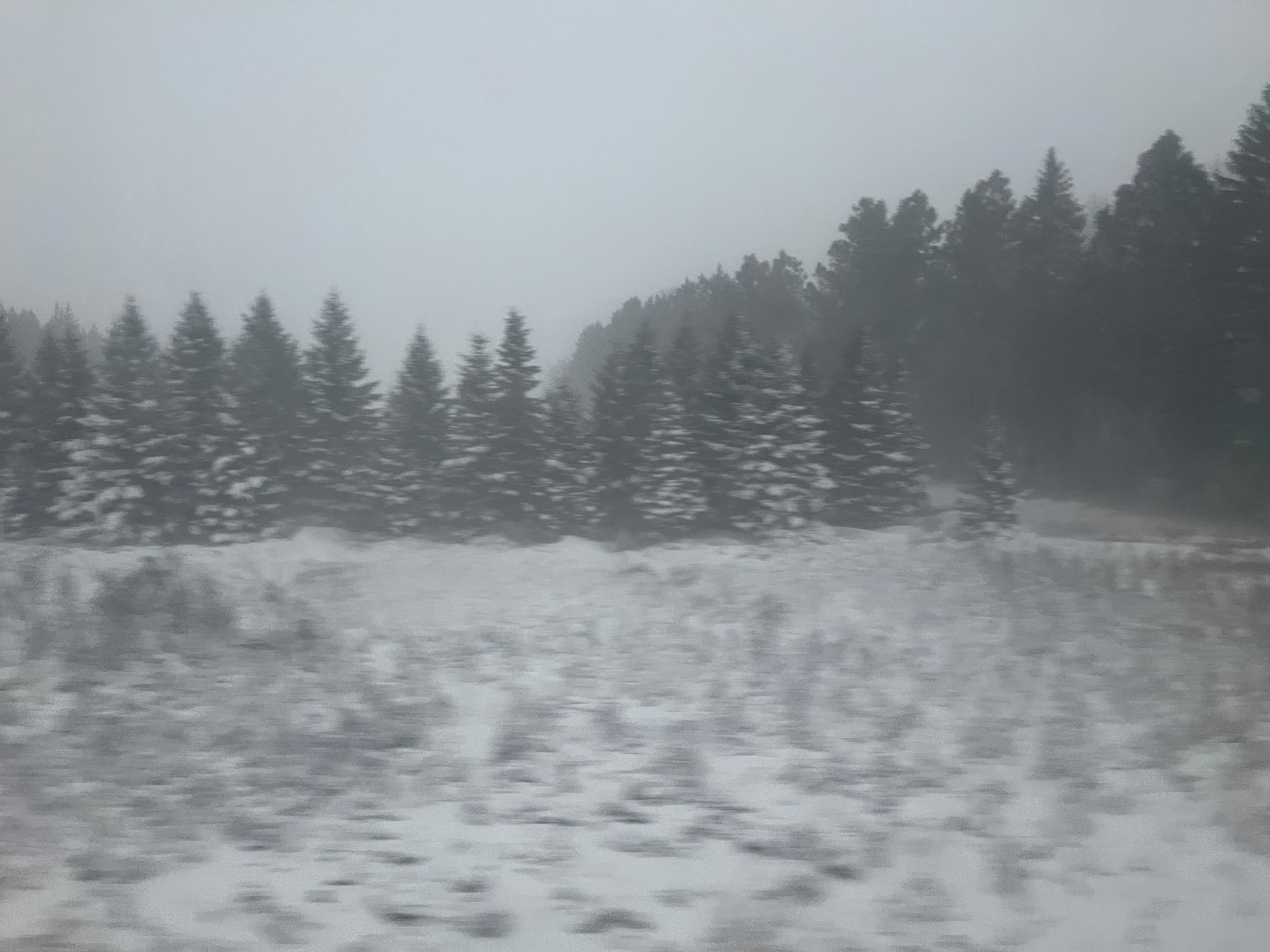
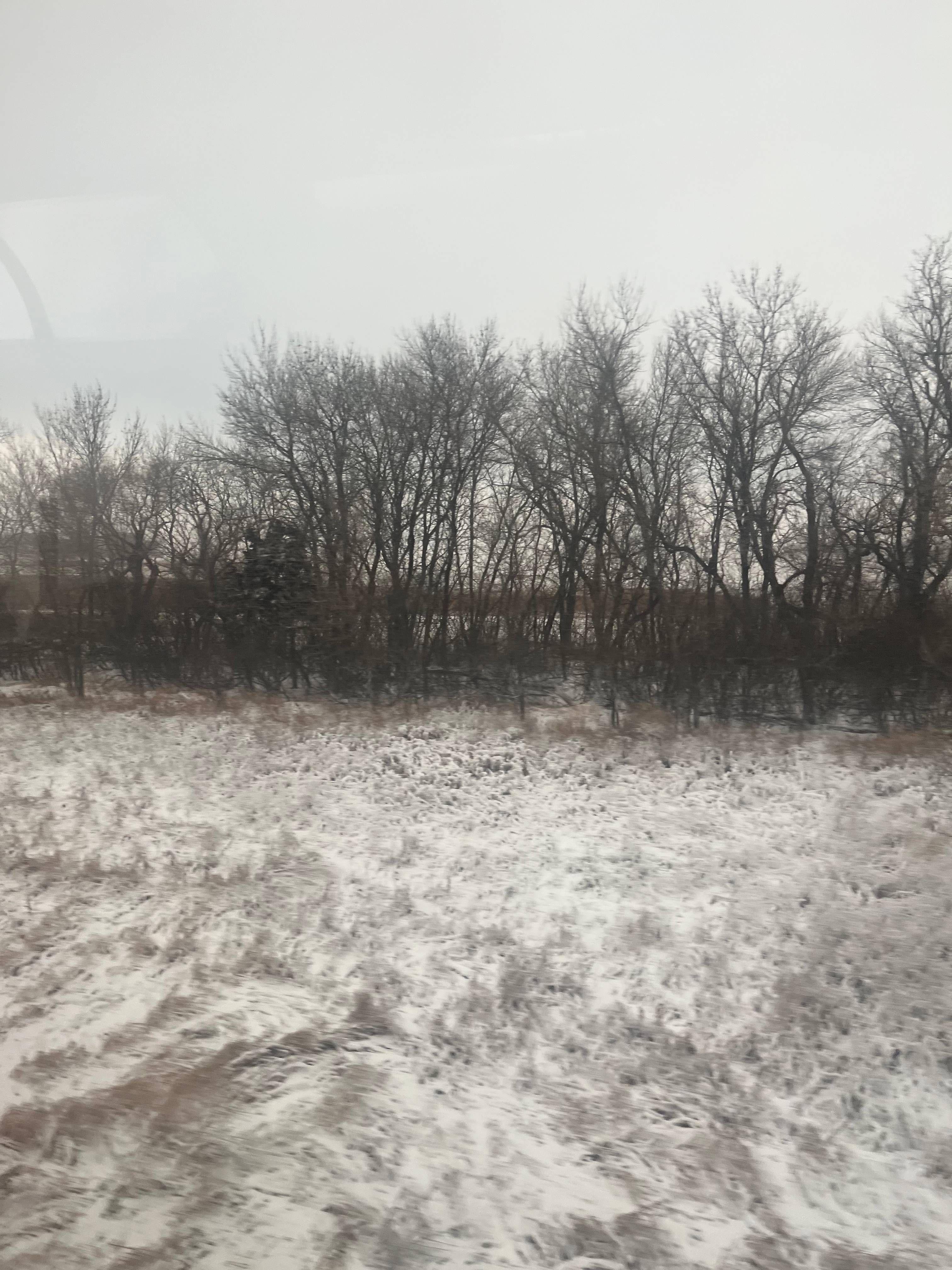
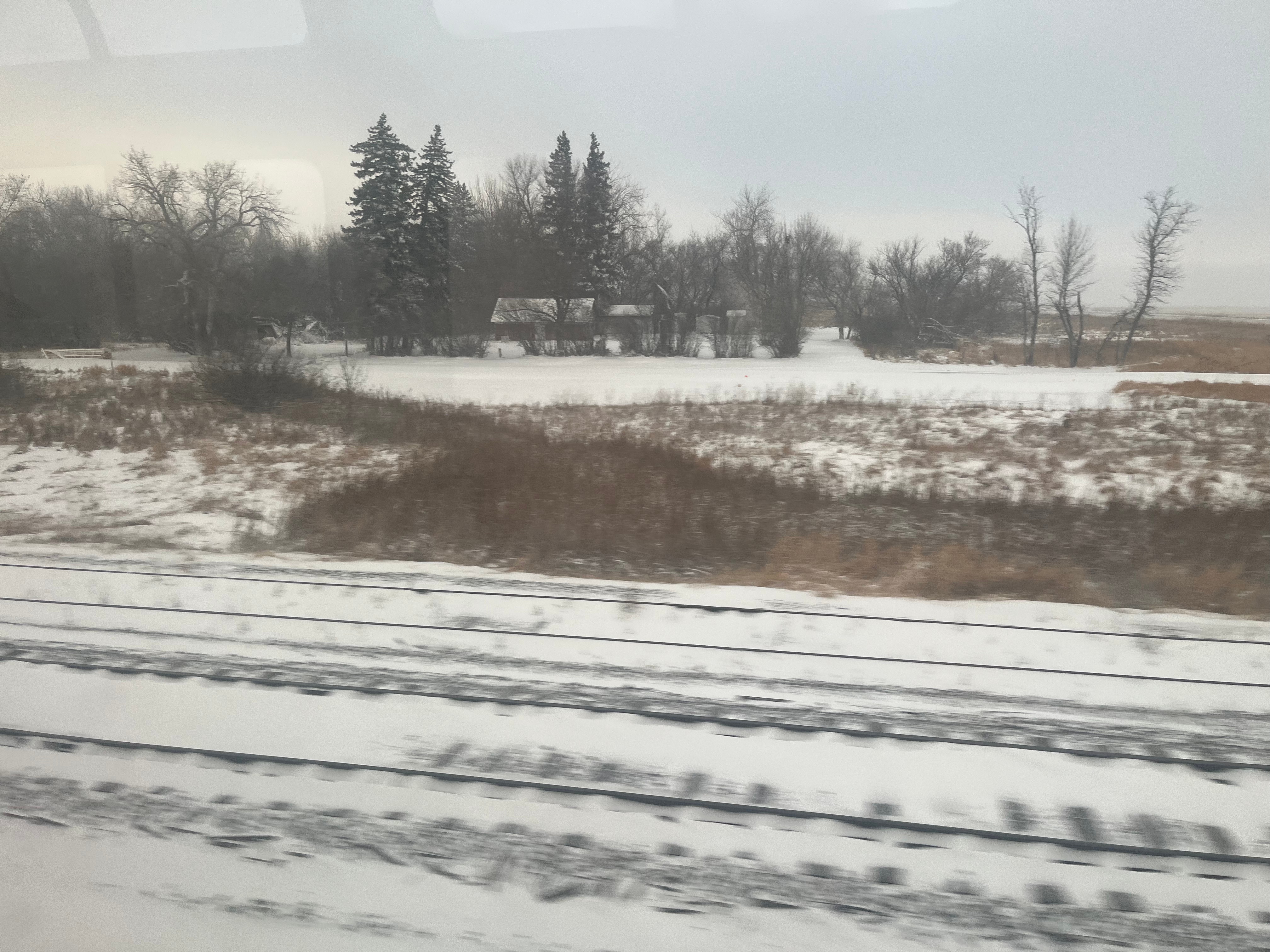
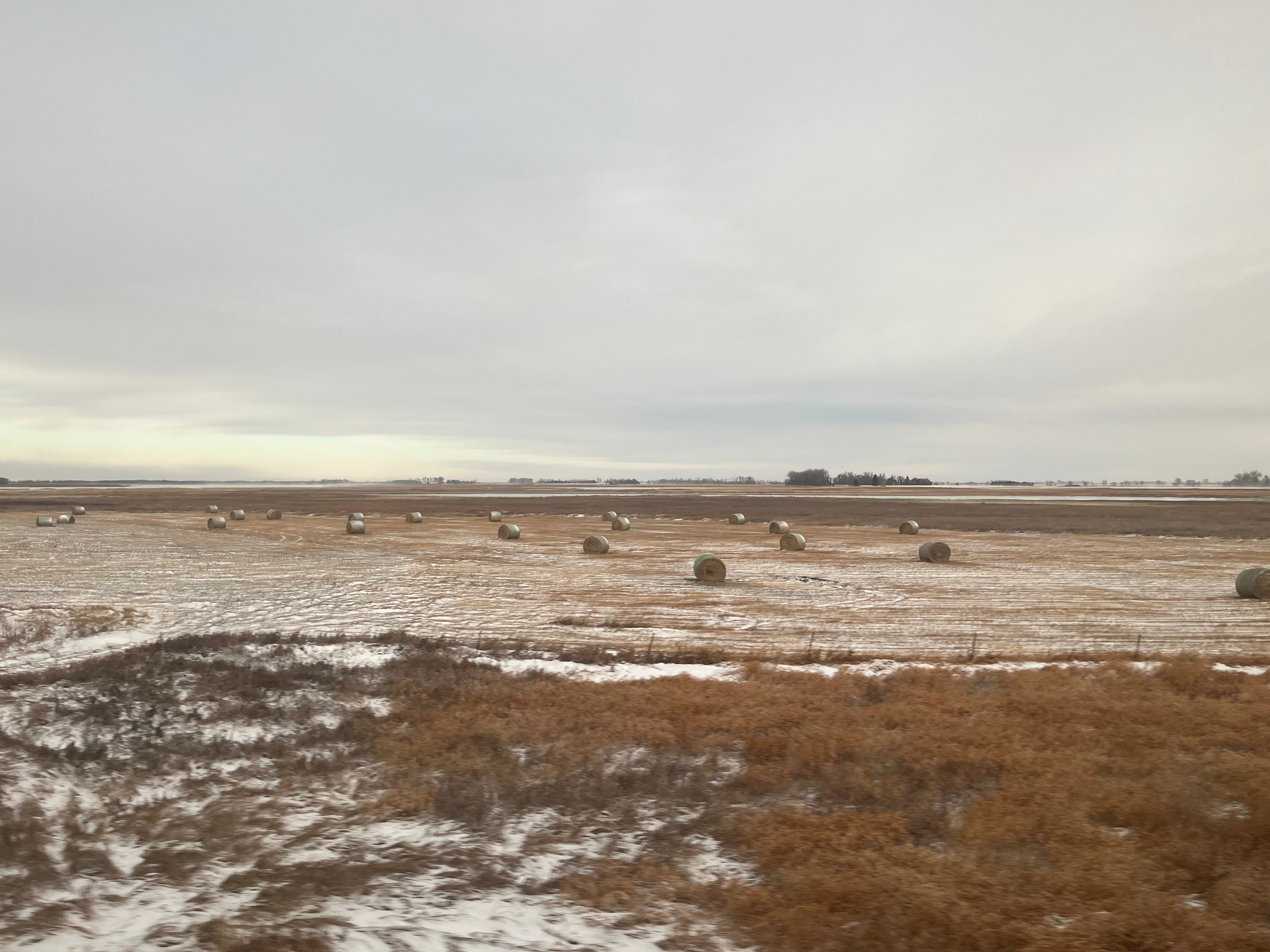
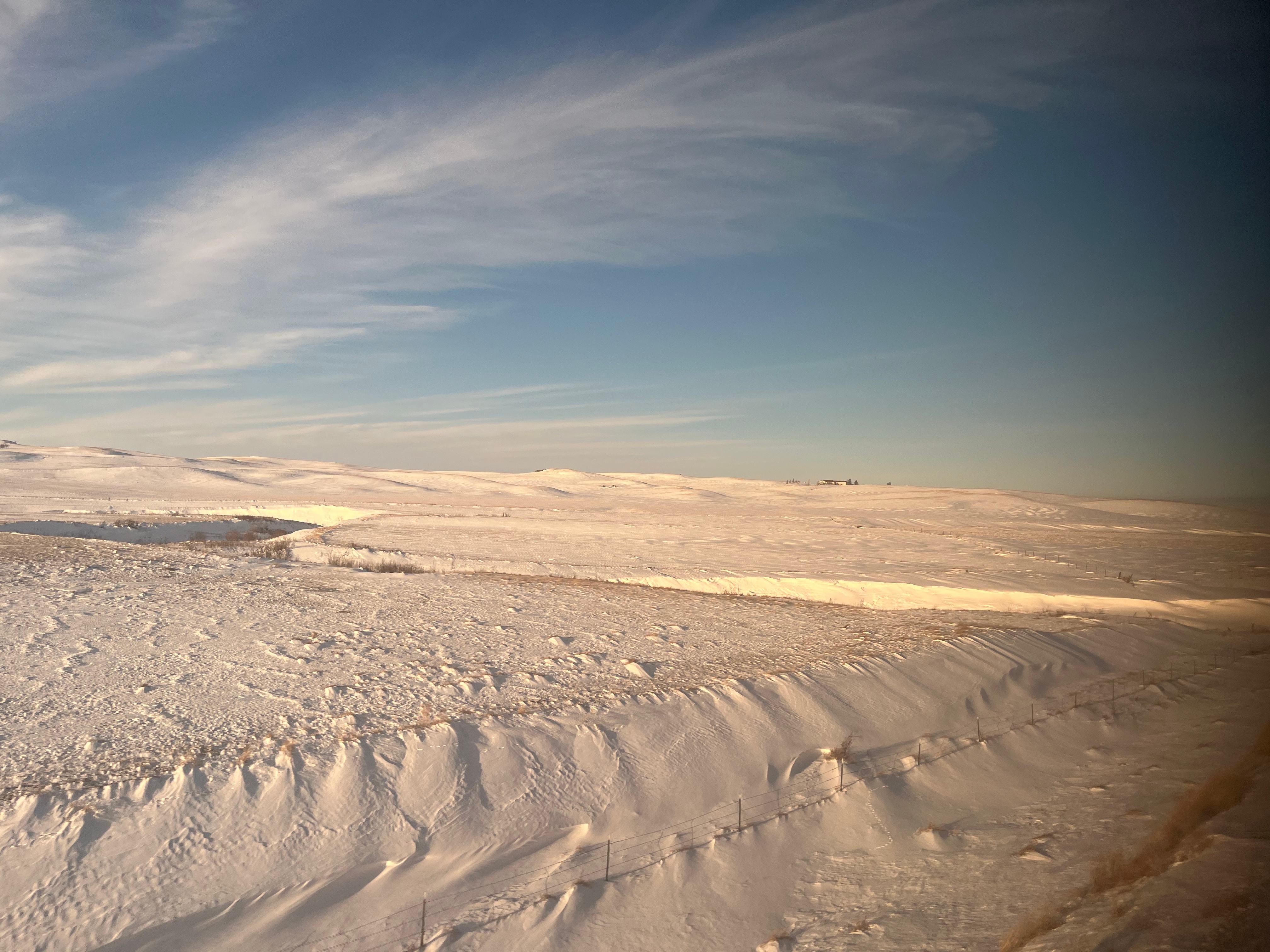
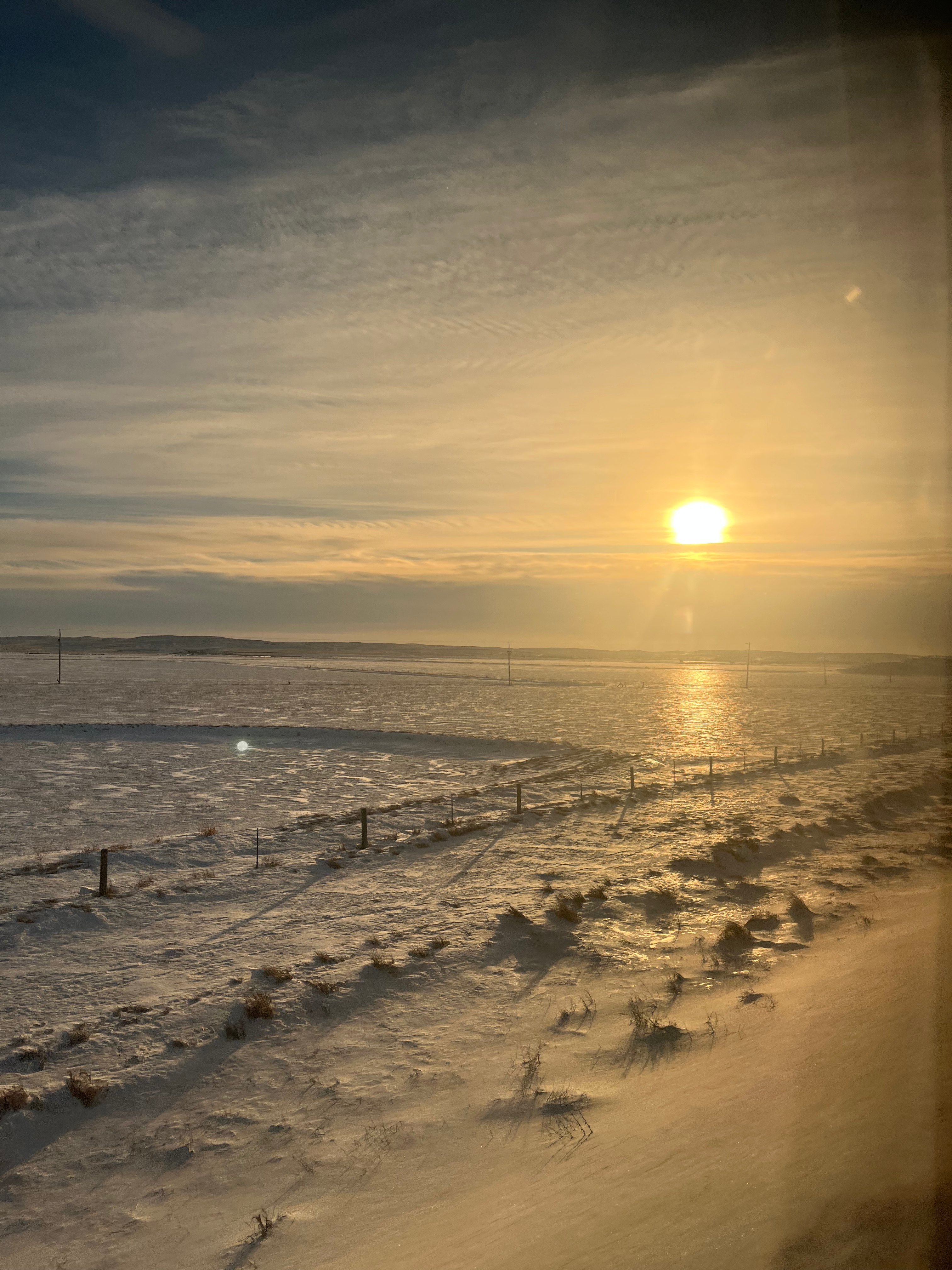
Day 2 was our only full day on the train and spent almost entirely crossing the plains. On paper, that doesn’t sound especially compelling, and plenty of trip reports seem to agree. However, I think the snow completely changed the experience.
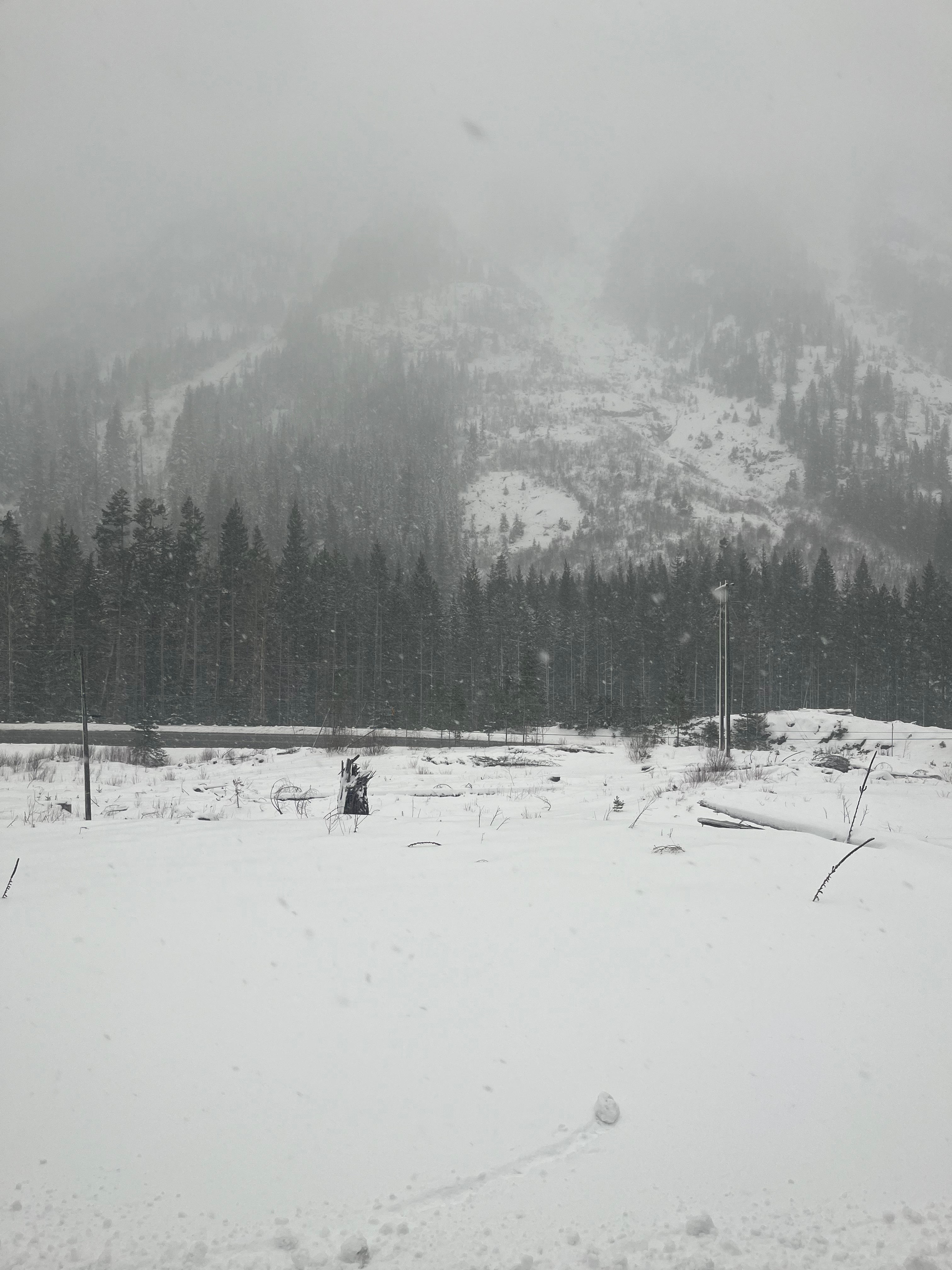
But by this point, we were running a couple of hours late thanks to a blizzard that started overnight and showed no signs of stopping. Engineers had to slow the train from a top speed of 80 miles per hour down to about 40. They apologized, but honestly delays are part of the Amtrak deal, especially in winter.
A blizzard was another novel thing for me and my brother. As we got into Devil’s Lake, I noticed passengers jumping out of their cars as we pulled up. I can only assume they were waiting until the last possible minute to brave the cold and snow. I did see a station they could have waited in, but maybe it was closed for the day since we got in so late.
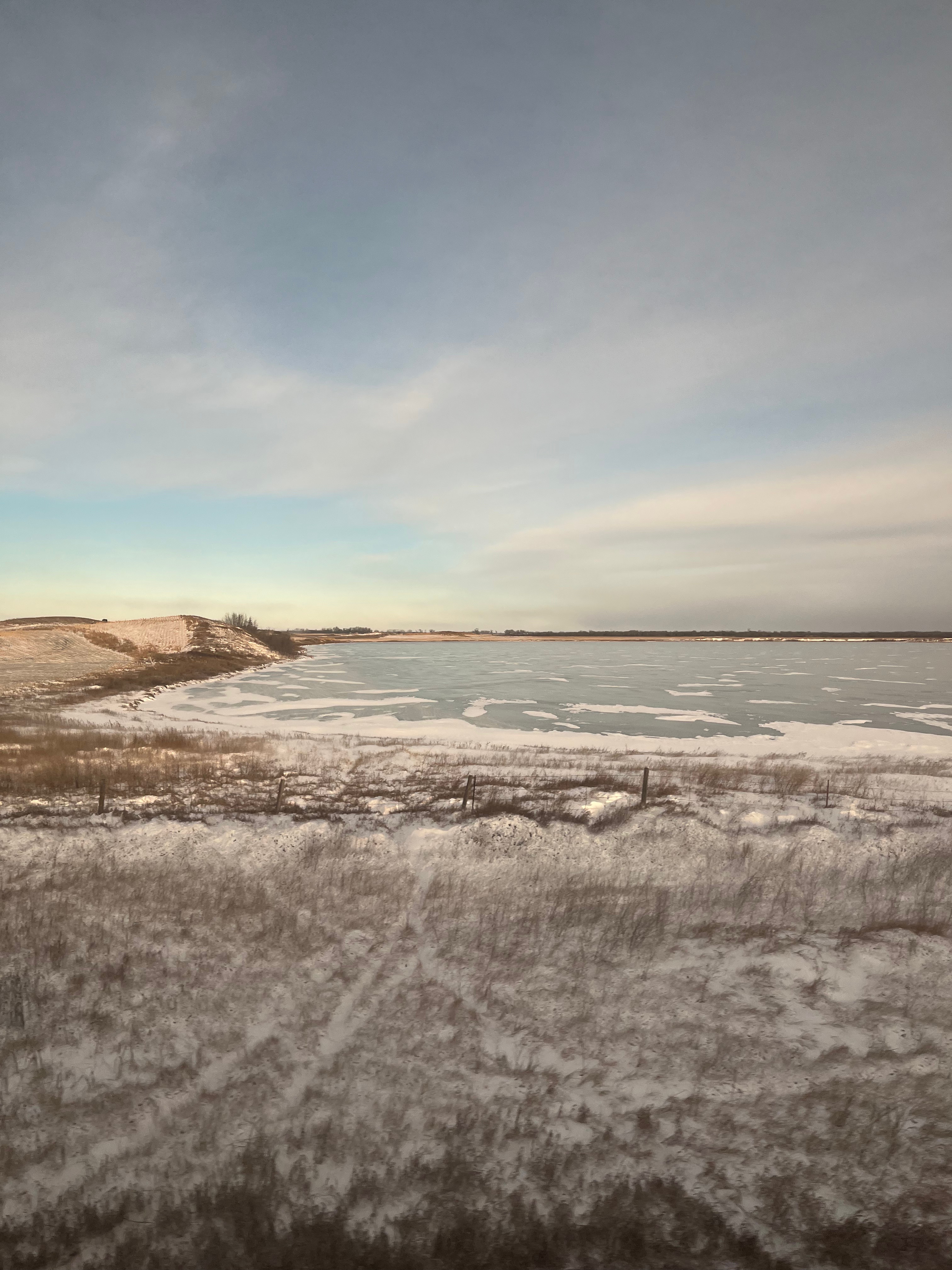
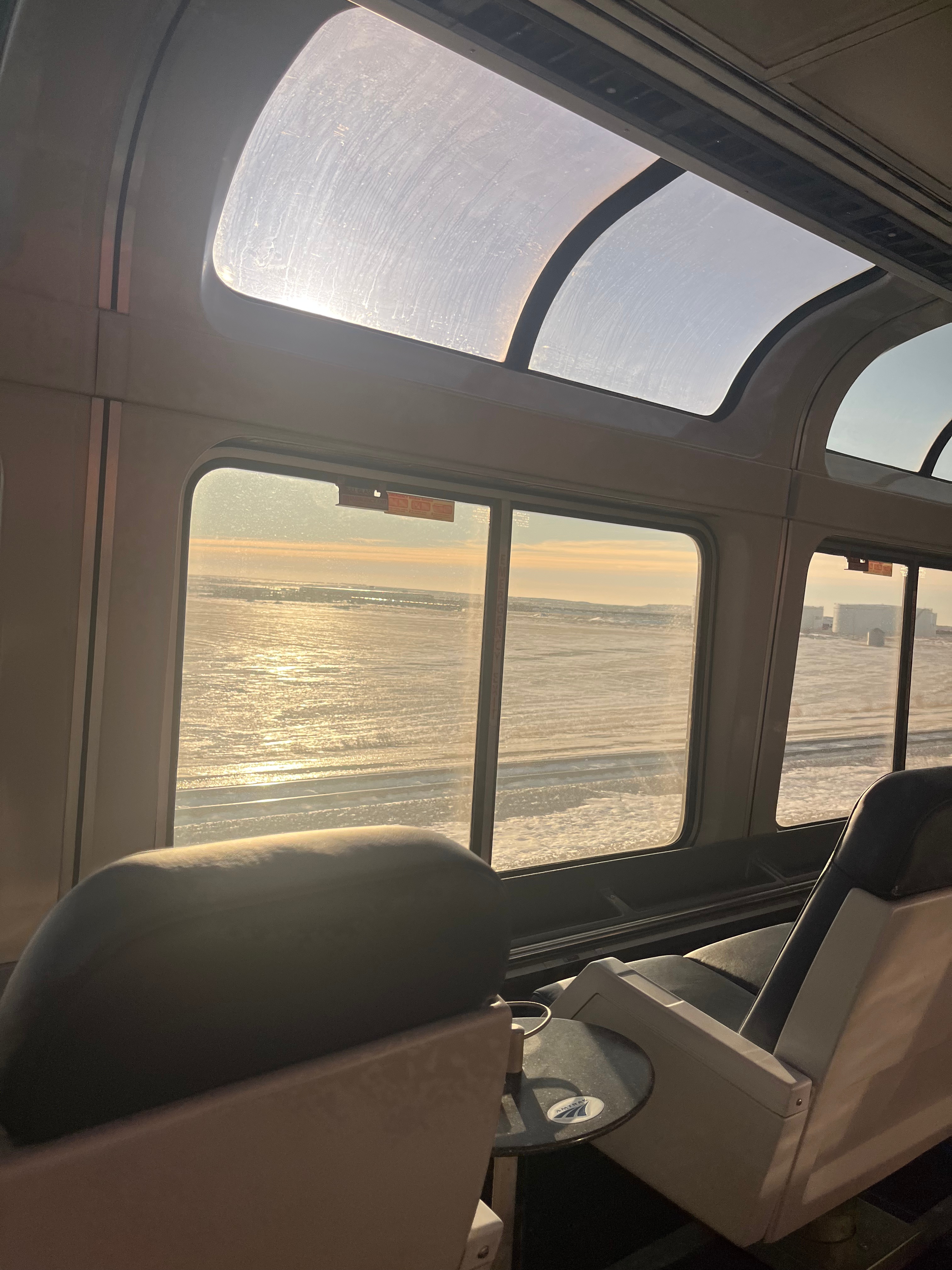
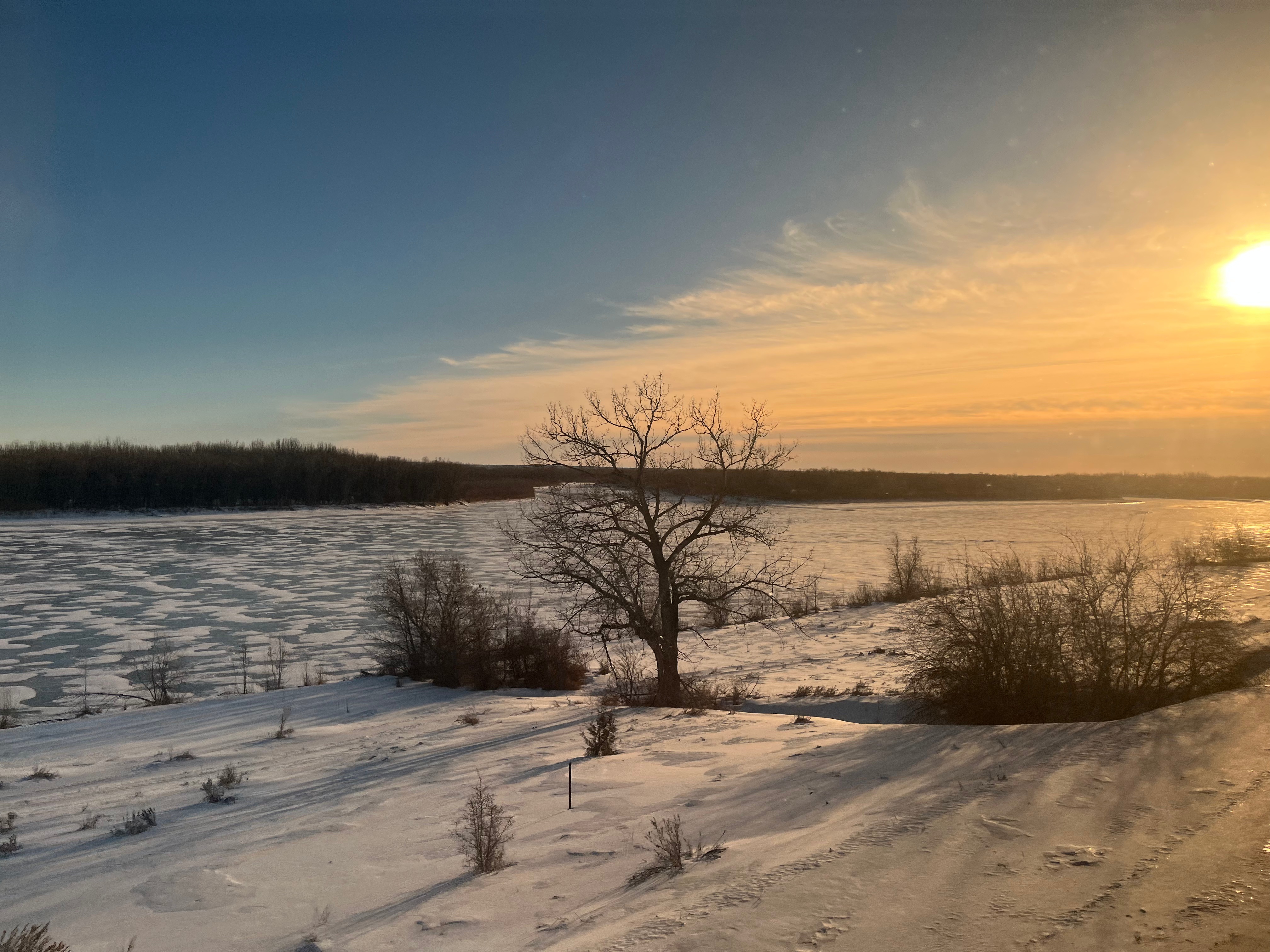
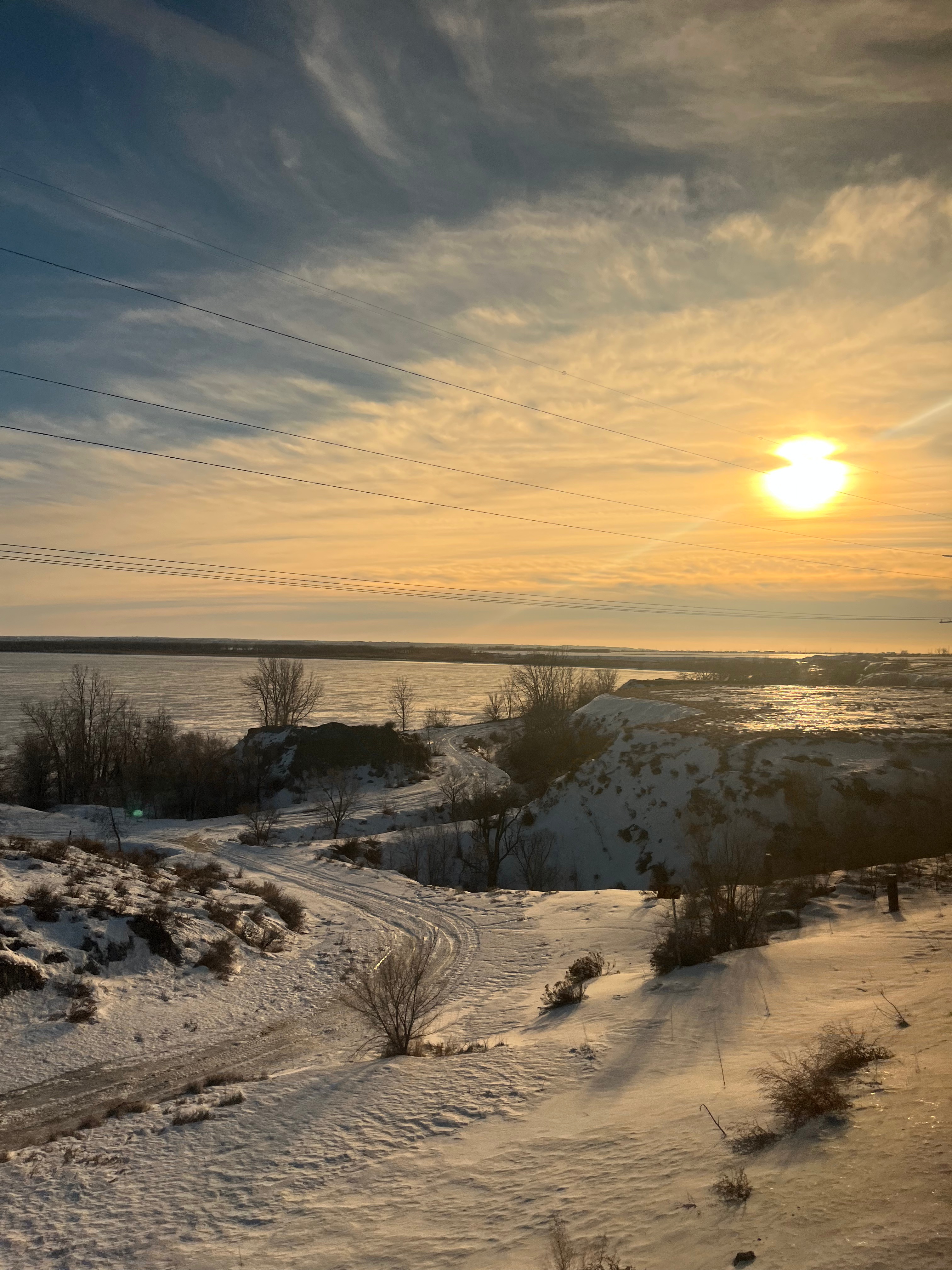
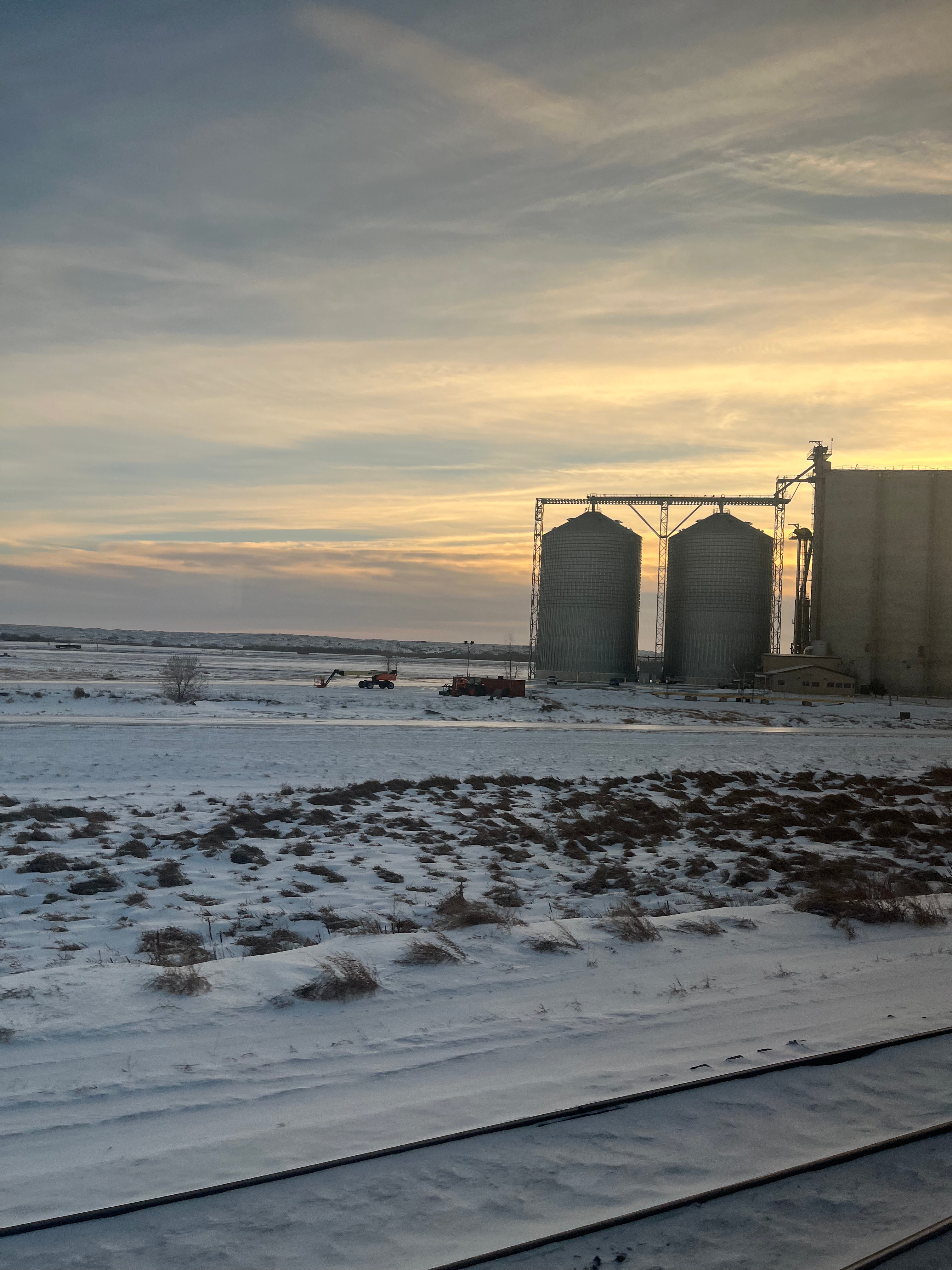
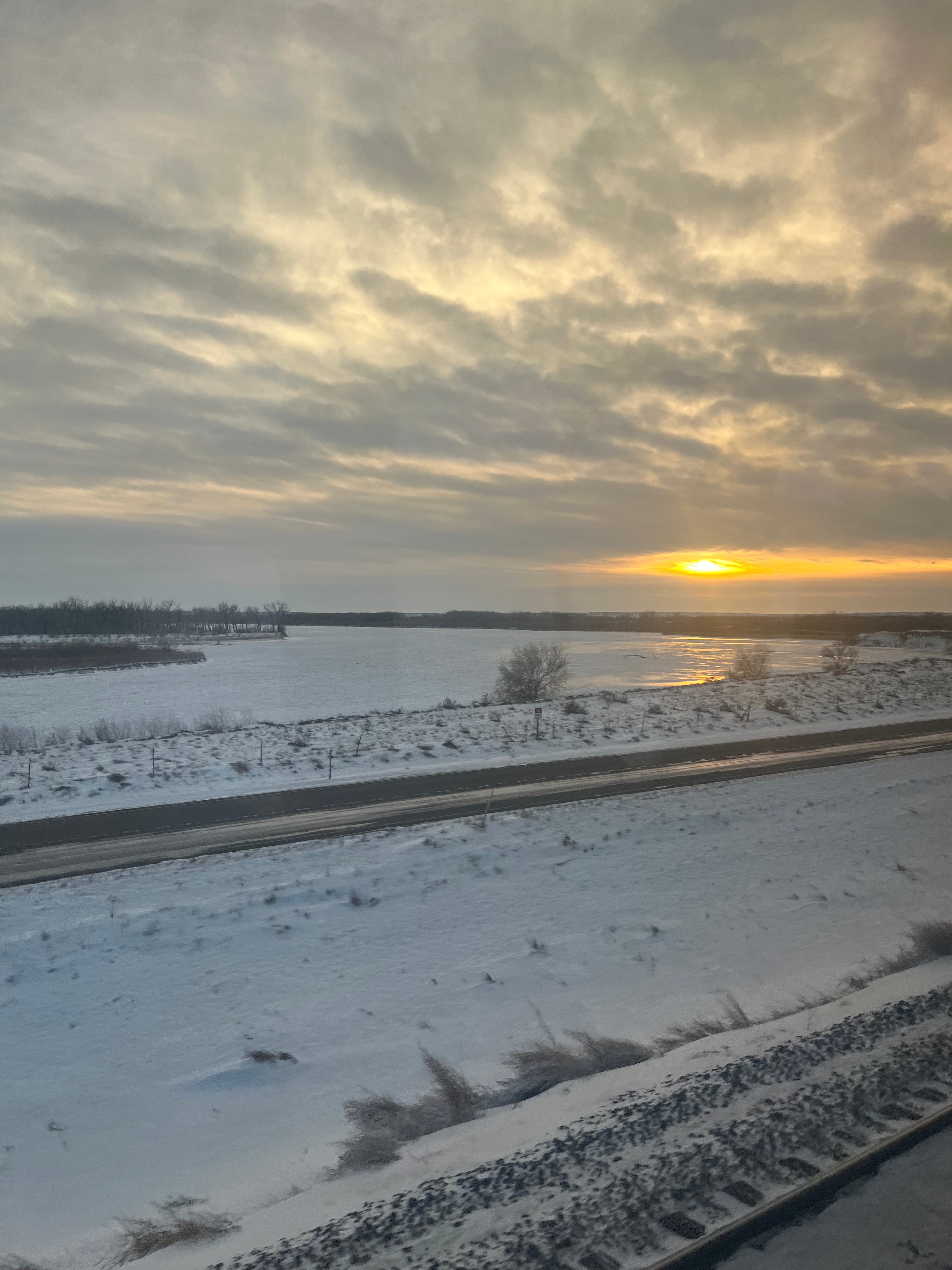
After breakfast, we made our usual (and again, unnecessary) dash to the observation car, where another conductor announcement reminded everyone that getting caught smoking would make you “really early for tomorrow’s train”. I don’t know if it was the same person who was smoking the day before, but I wouldn’t be surprised. Keeping that in mind, we kept looking out the massive windows. We saw even more frozen lakes, grain silos with chutes right above the train tracks to allow trains to collect the grain and go, massive snowbanks, houses with a bunch of trees surrounding them in the otherwise flat prairie, and cows with snow on top of them like cars left outside during a snowstorm. Rest assured these cows were totally fine, they really just didn’t care enough to shake off the snow.
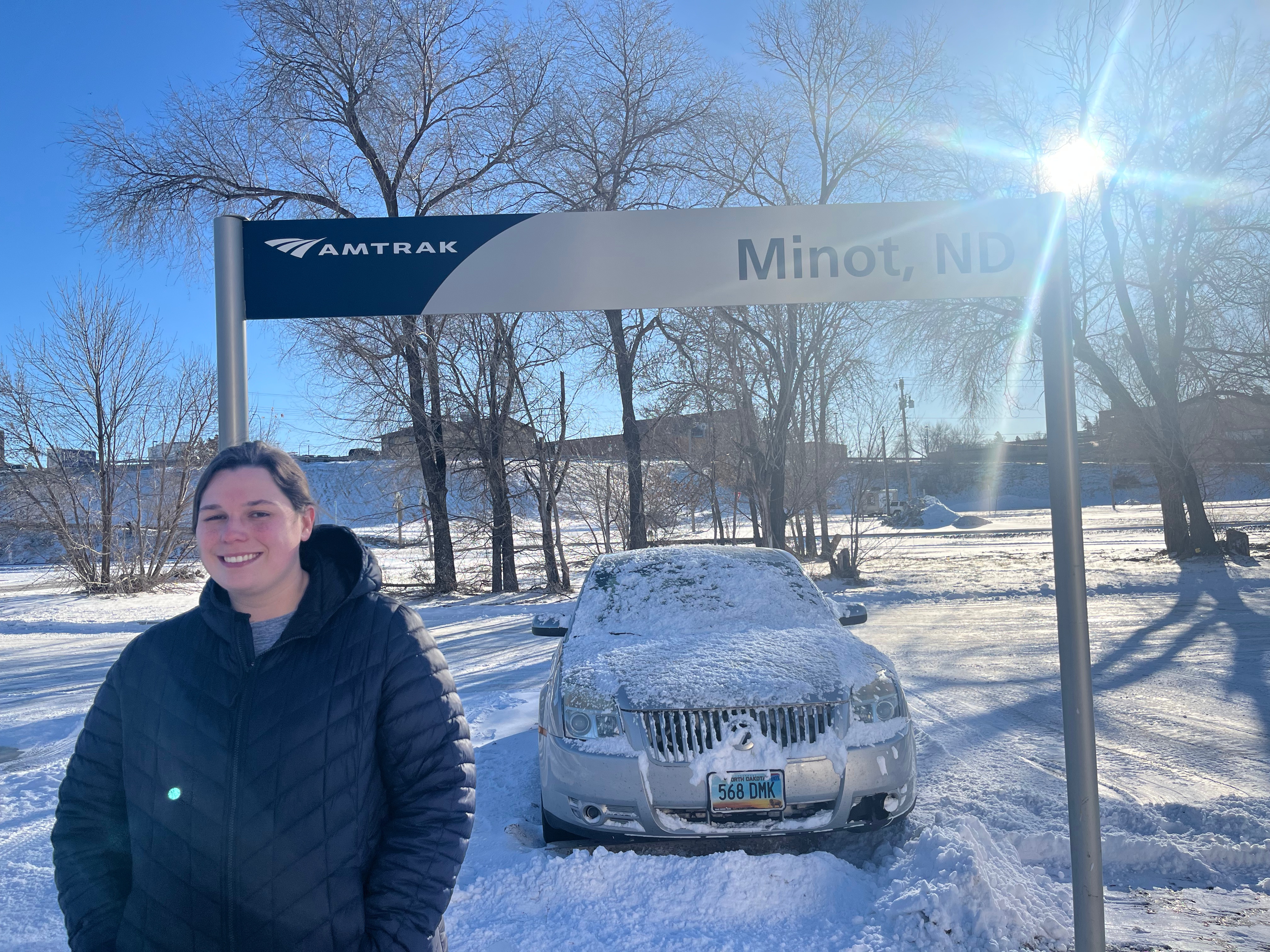
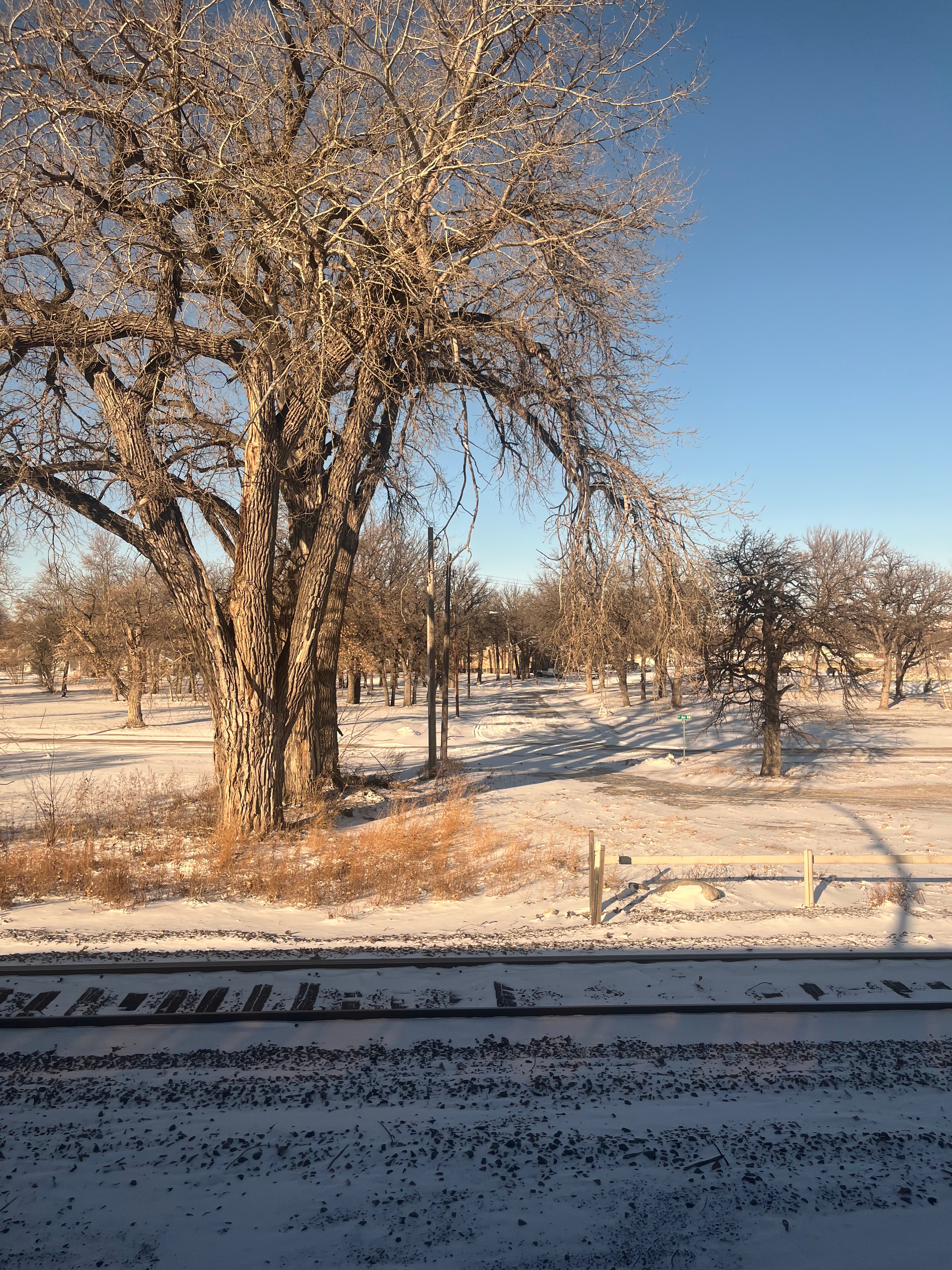
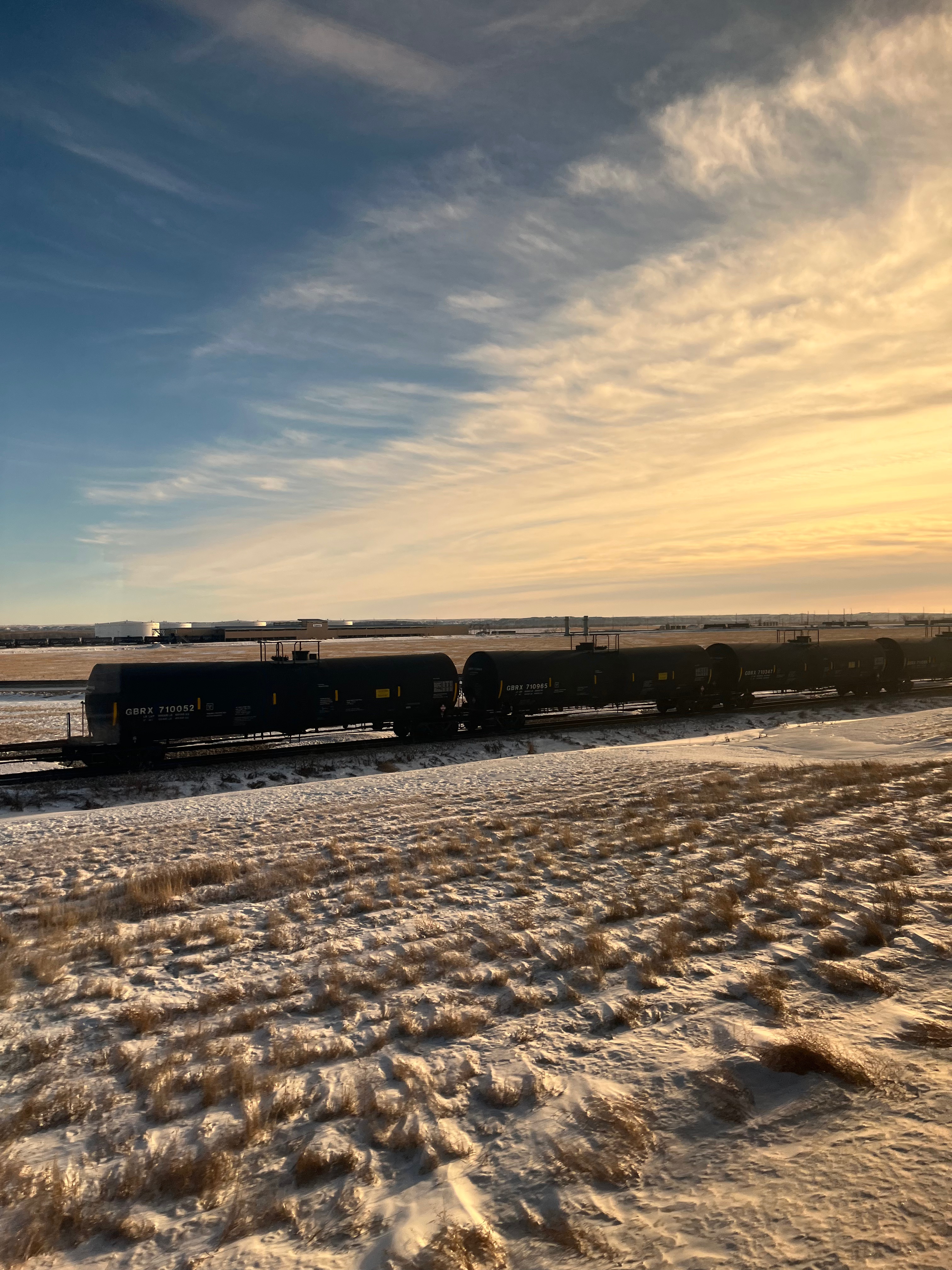
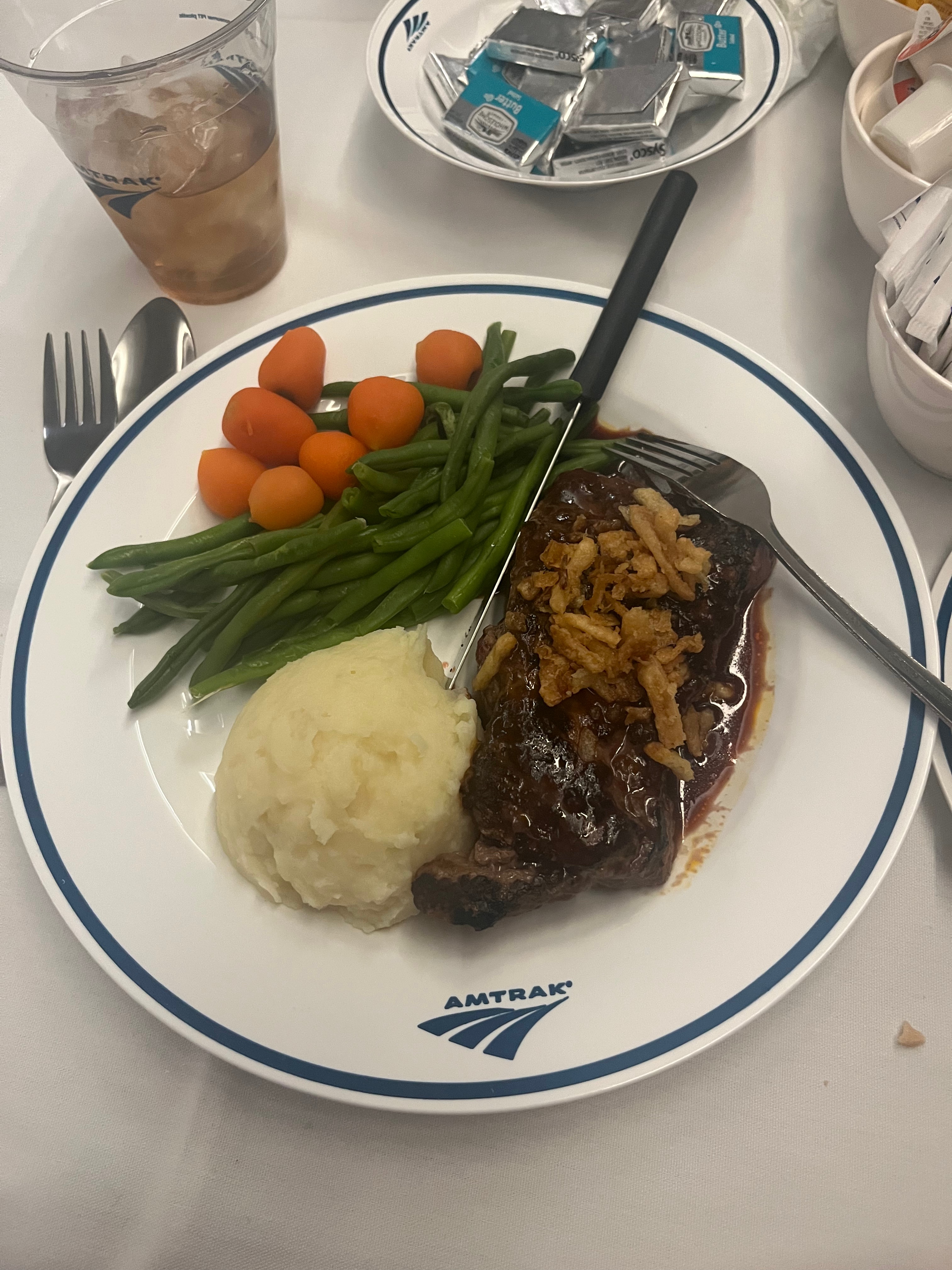
We finally reached Minot, though not without more waiting. The eastbound Empire Builder was already occupying the station, which also doubles as a maintenance and inspection stop, meaning every train is scheduled to linger there. In total, we sat for a couple of hours before moving again. Once underway, the hours long afternoon light and sunset worked in our favor to make an otherwise somewhat uneventful part of the journey more beautiful as we passed oil fields and small towns. After dark, we headed to the dining car, where I felt obligated to try the Amtrak steak (or Amsteak if you will). If you didn’t know, the steak is the only dish cooked to order rather than just heated up. I’m not a big steak person in general, but it felt like a crime not to order it at some point.







Day 3
We woke up on Day 3 running even further behind schedule. So far behind, in fact, that we hadn’t even split from the Portland section yet. That ended up working in our favor since it meant we hadn’t slept through half of Washington and were in for even more scenery than planned.
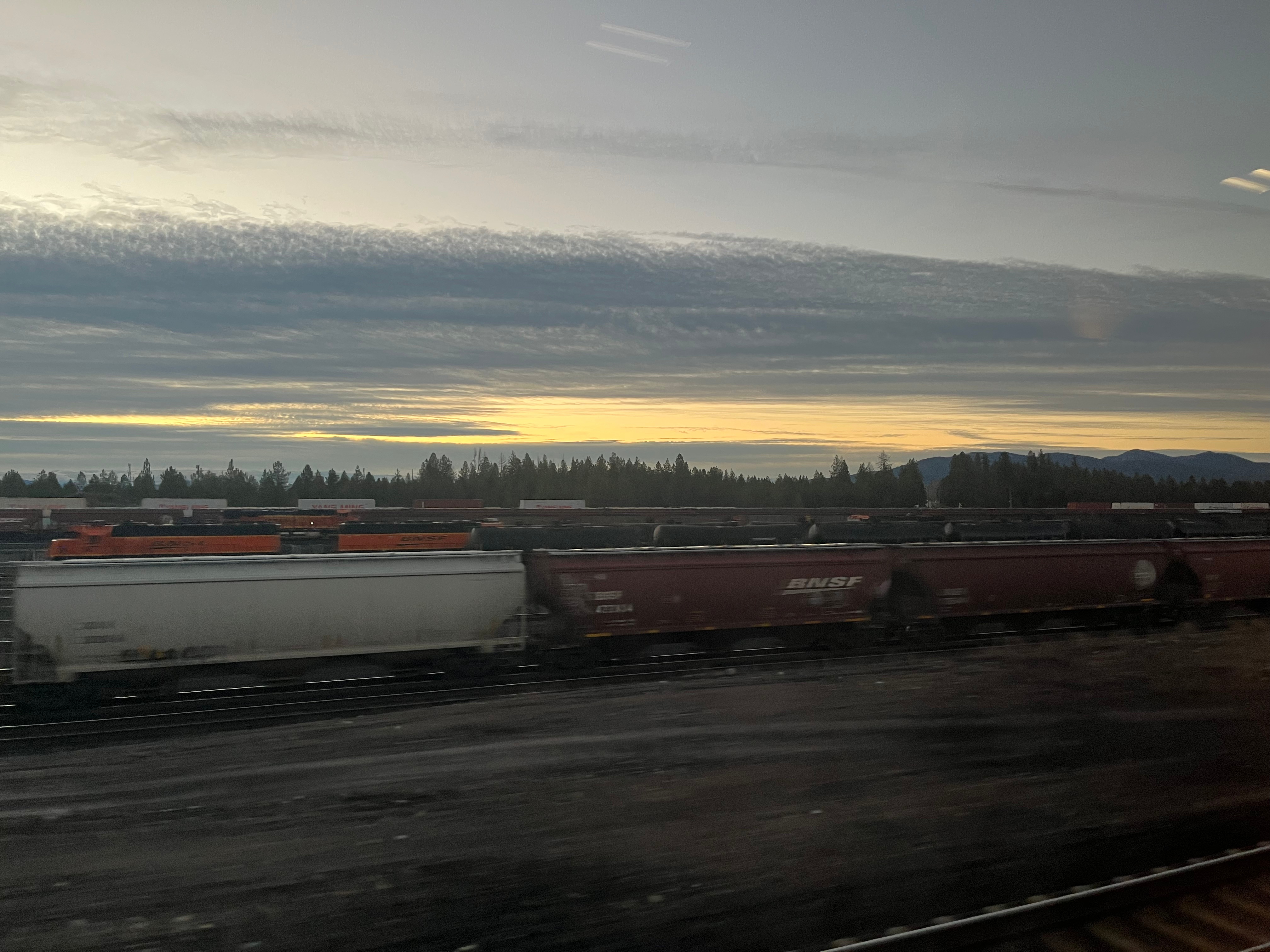
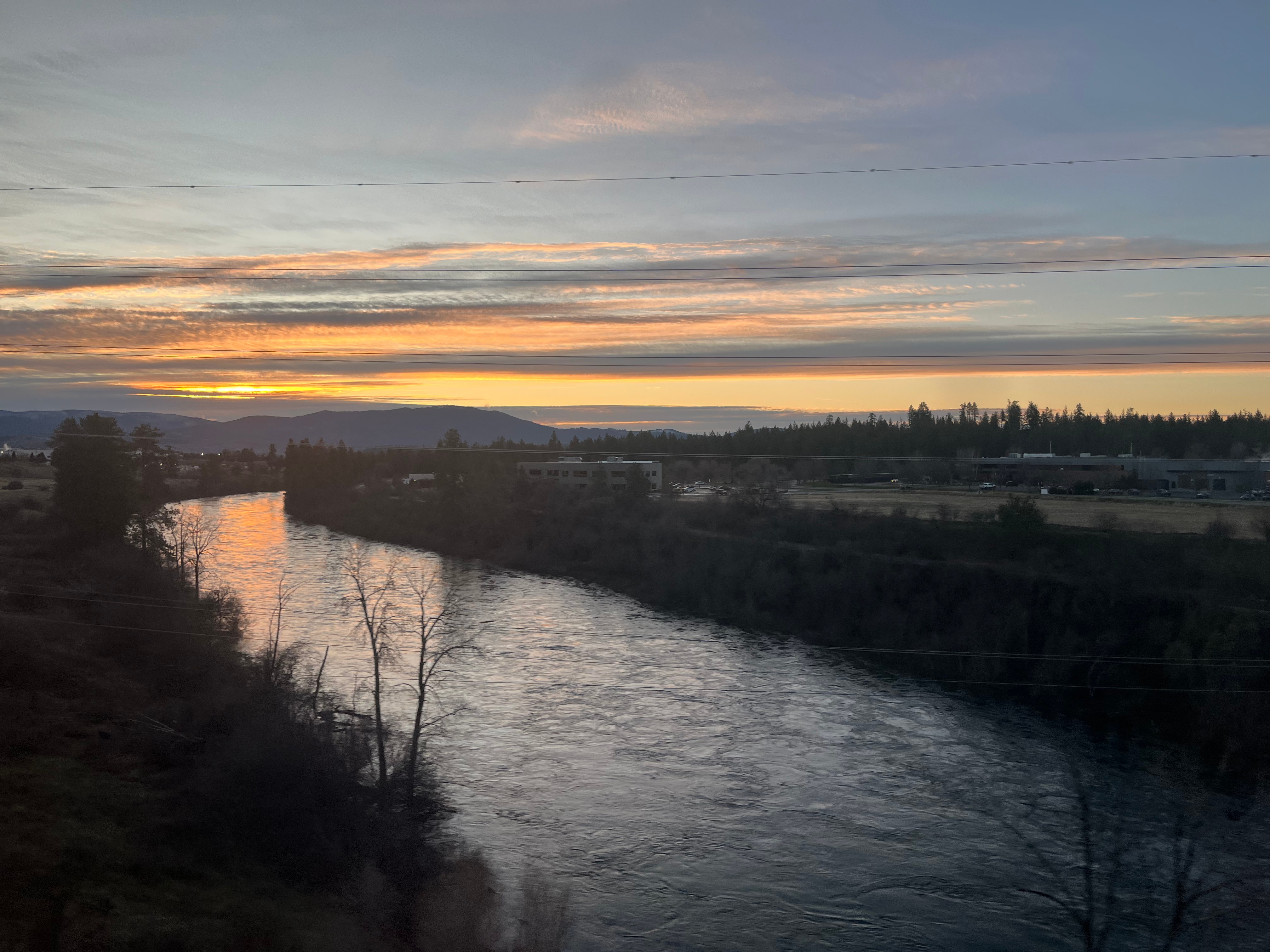
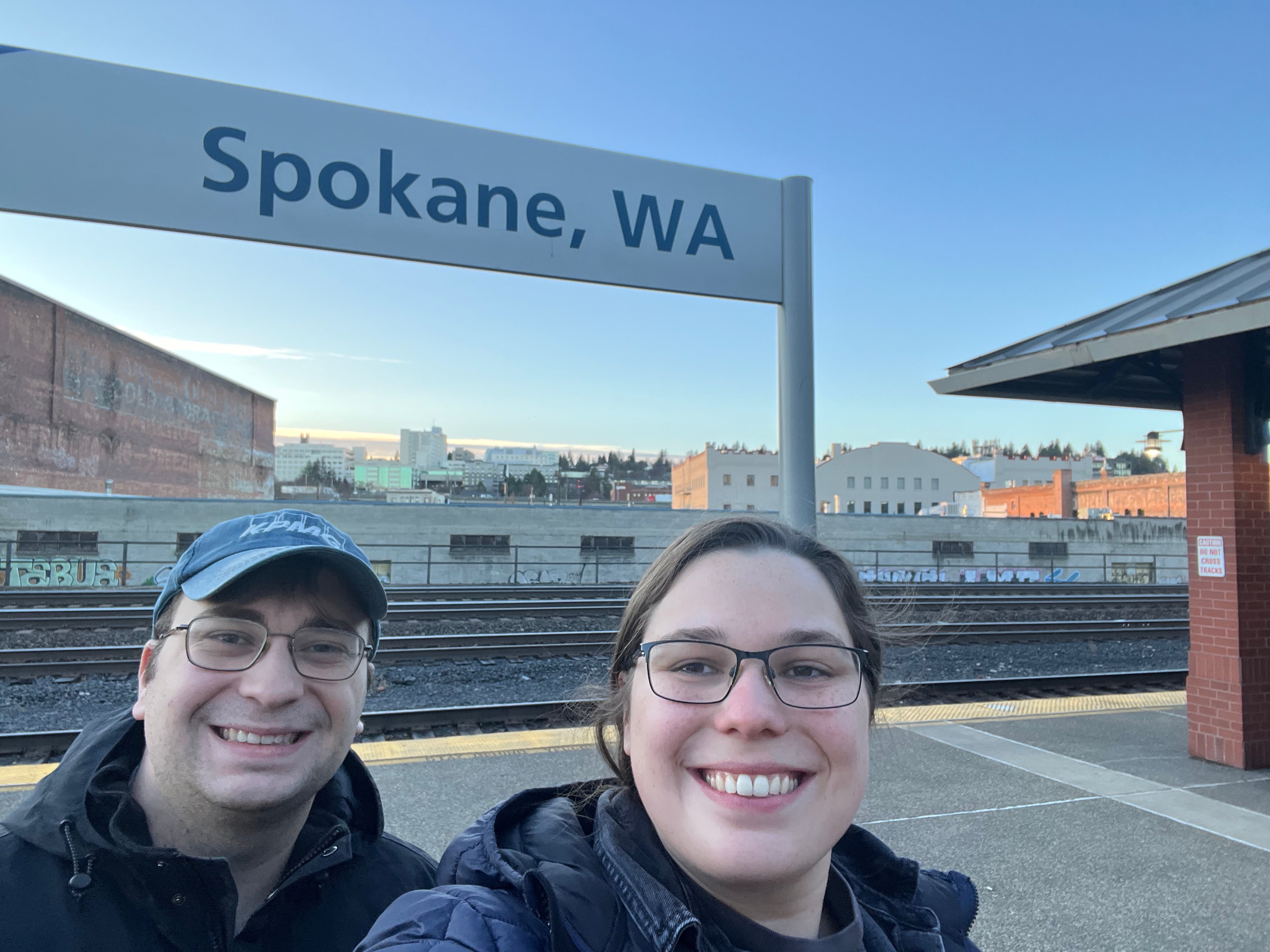
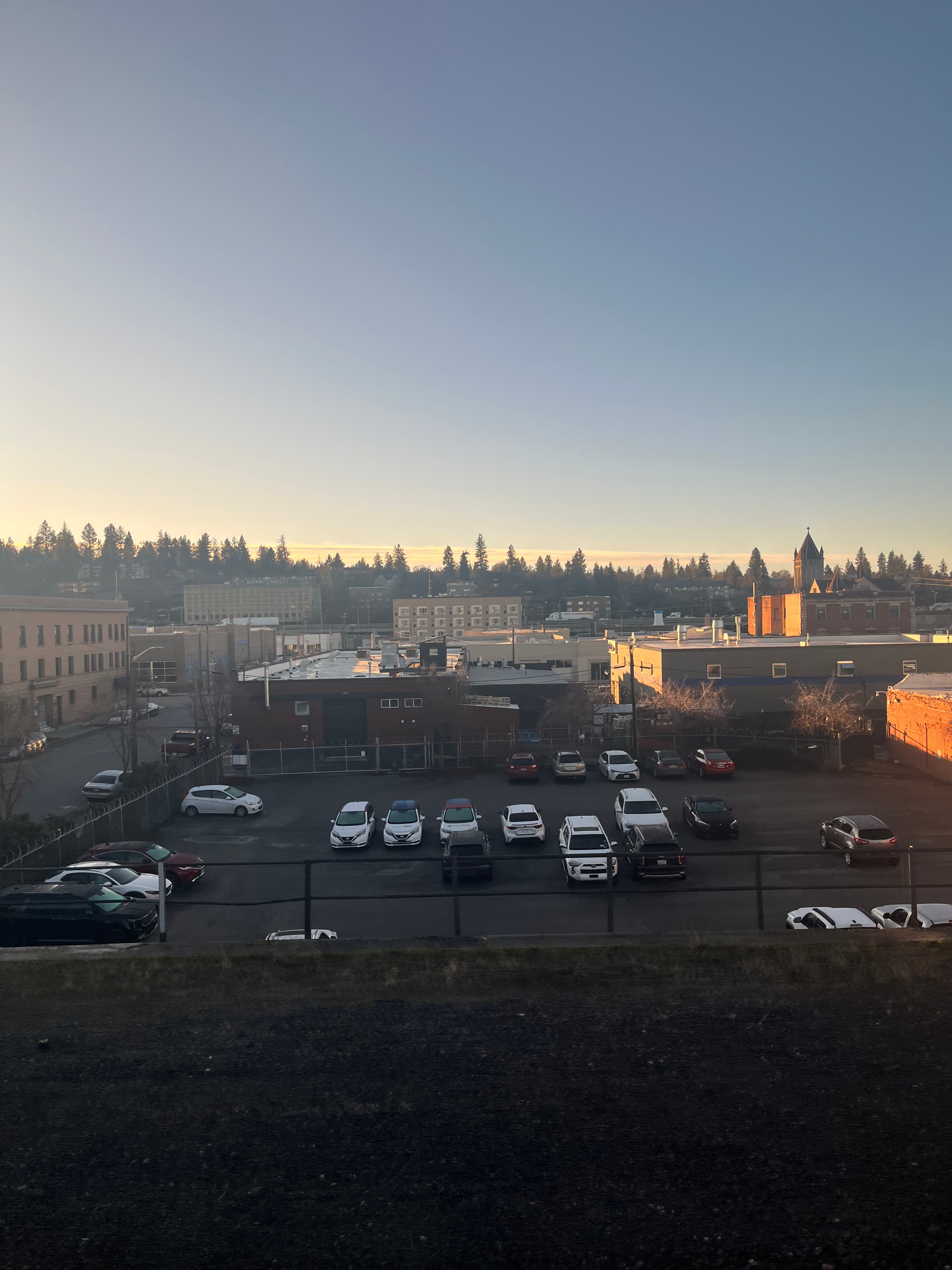
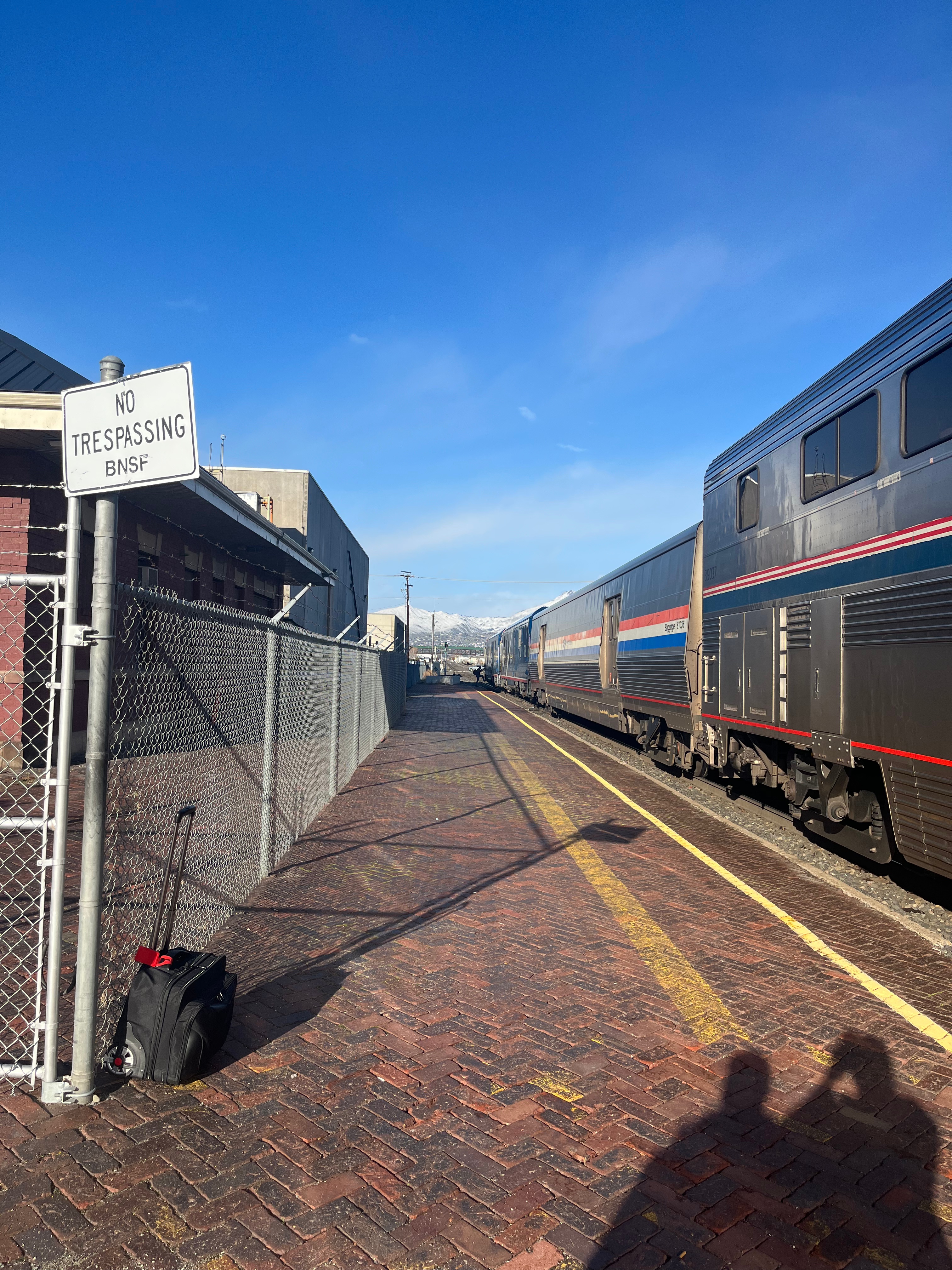
We were told breakfast would be served early because the dining car was also planning to serve lunch. This is a rare occurrence on the Empire Builder, which is normally scheduled to arrive at King Street Station around 11:30 a.m. We sat down with a guy who works on this part of the train and was getting off in Spokane. The dining car attendant had been told we only had about 20 minutes until Spokane and he would only have time for eggs, but our tablemate was convinced it would be closer to 45 minutes. He was right, which meant we had plenty of time to eat and absorb his impressive collection of train and yard fun facts.
Not long after breakfast, the dining car announced they’d be serving the infamous emergency beef stew to coach passengers, with first (and only) call at 10:30 a.m. Fortunately, we avoided the beef stew and rice as there were just enough hamburgers and salads left to feed the sleeper passengers during a more reasonable 11:30 am lunch.
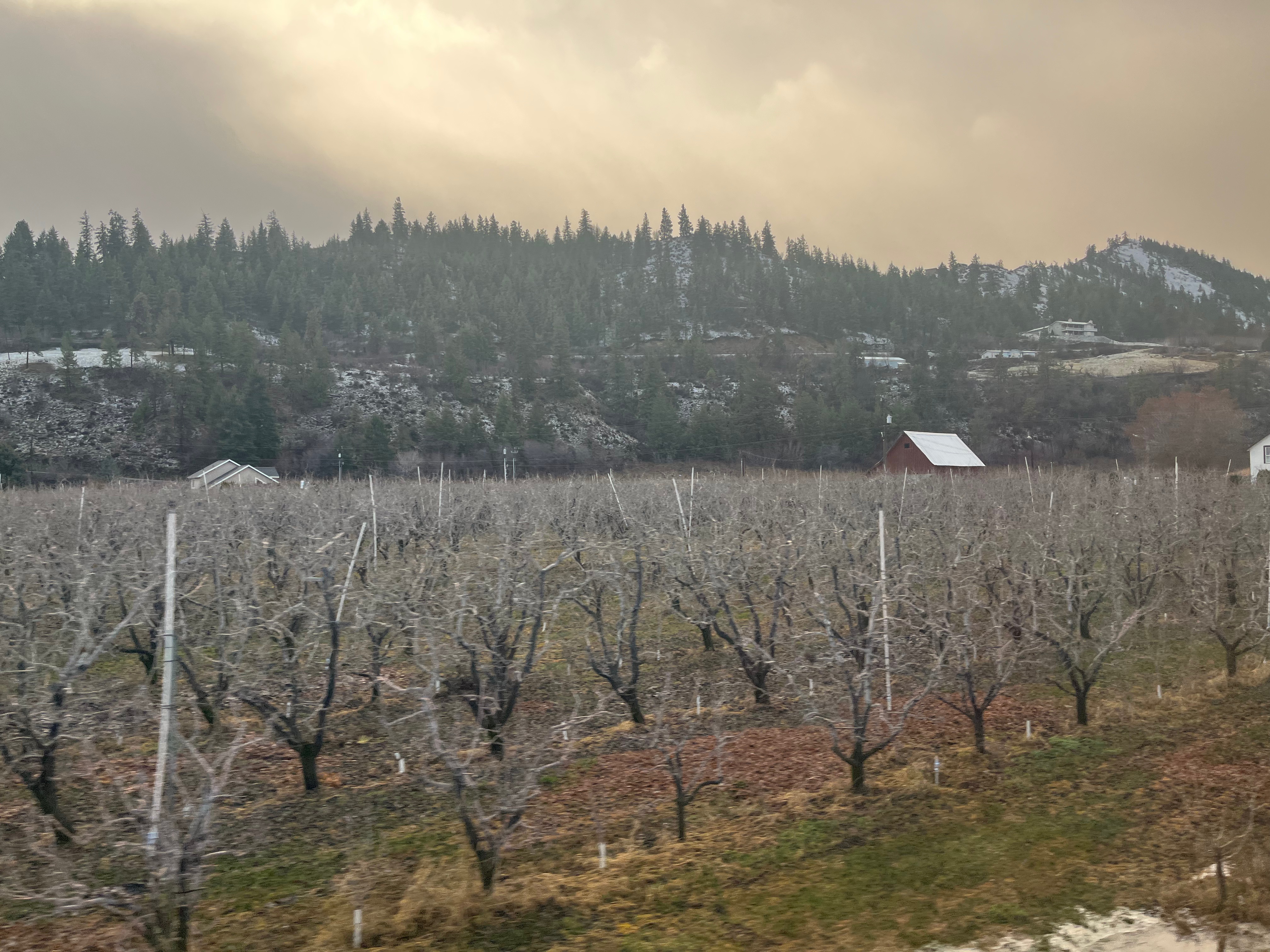
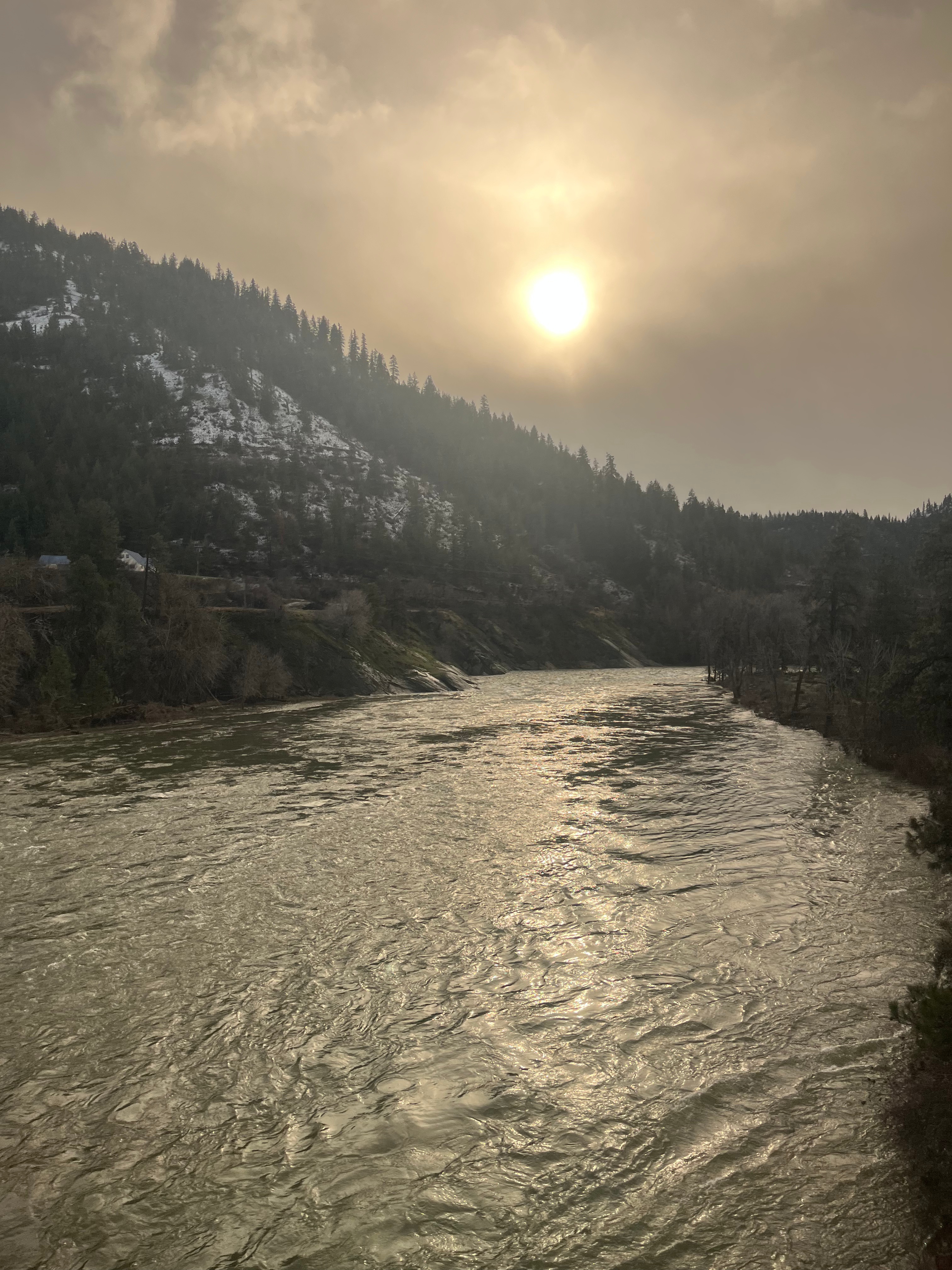
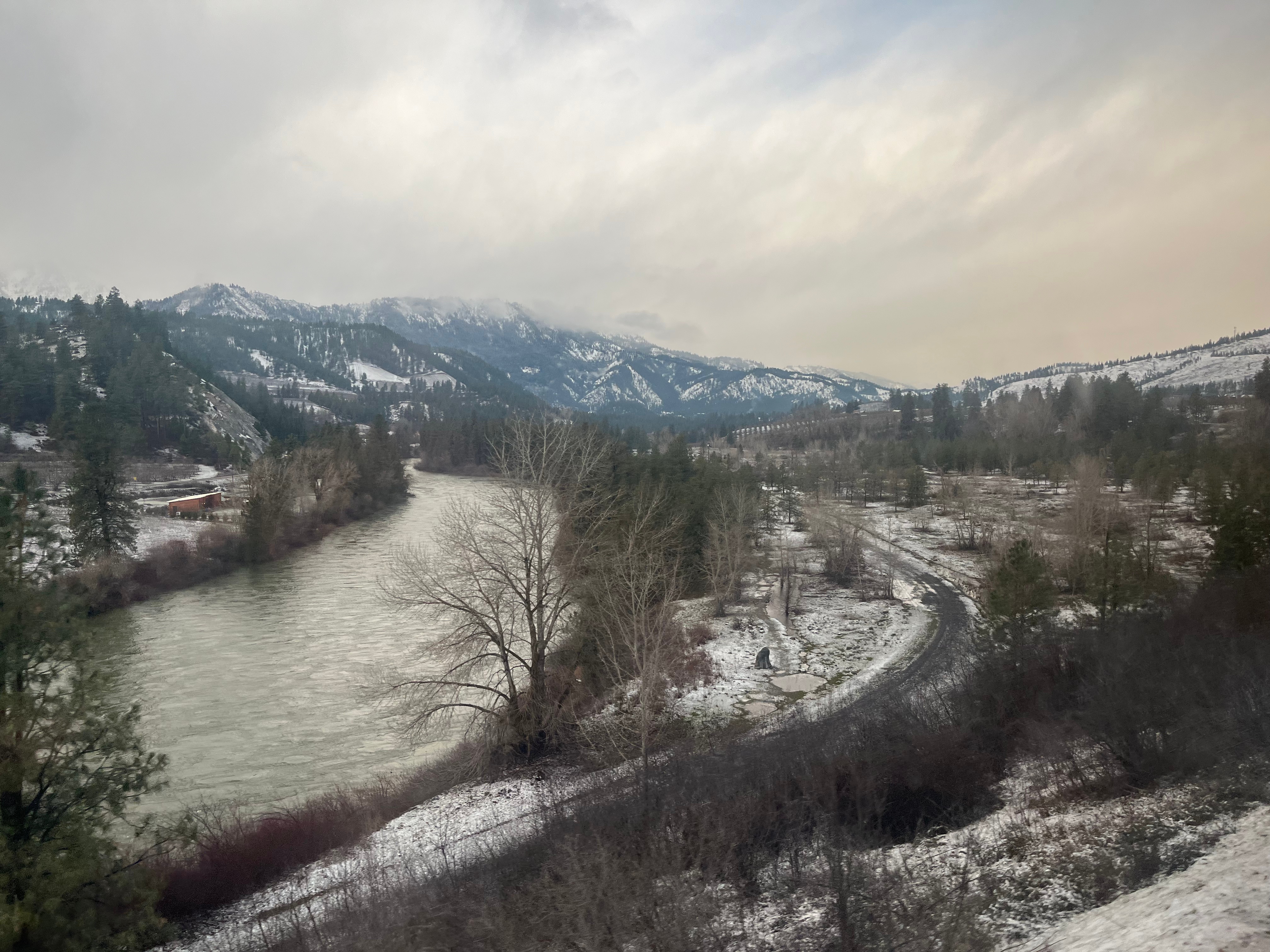
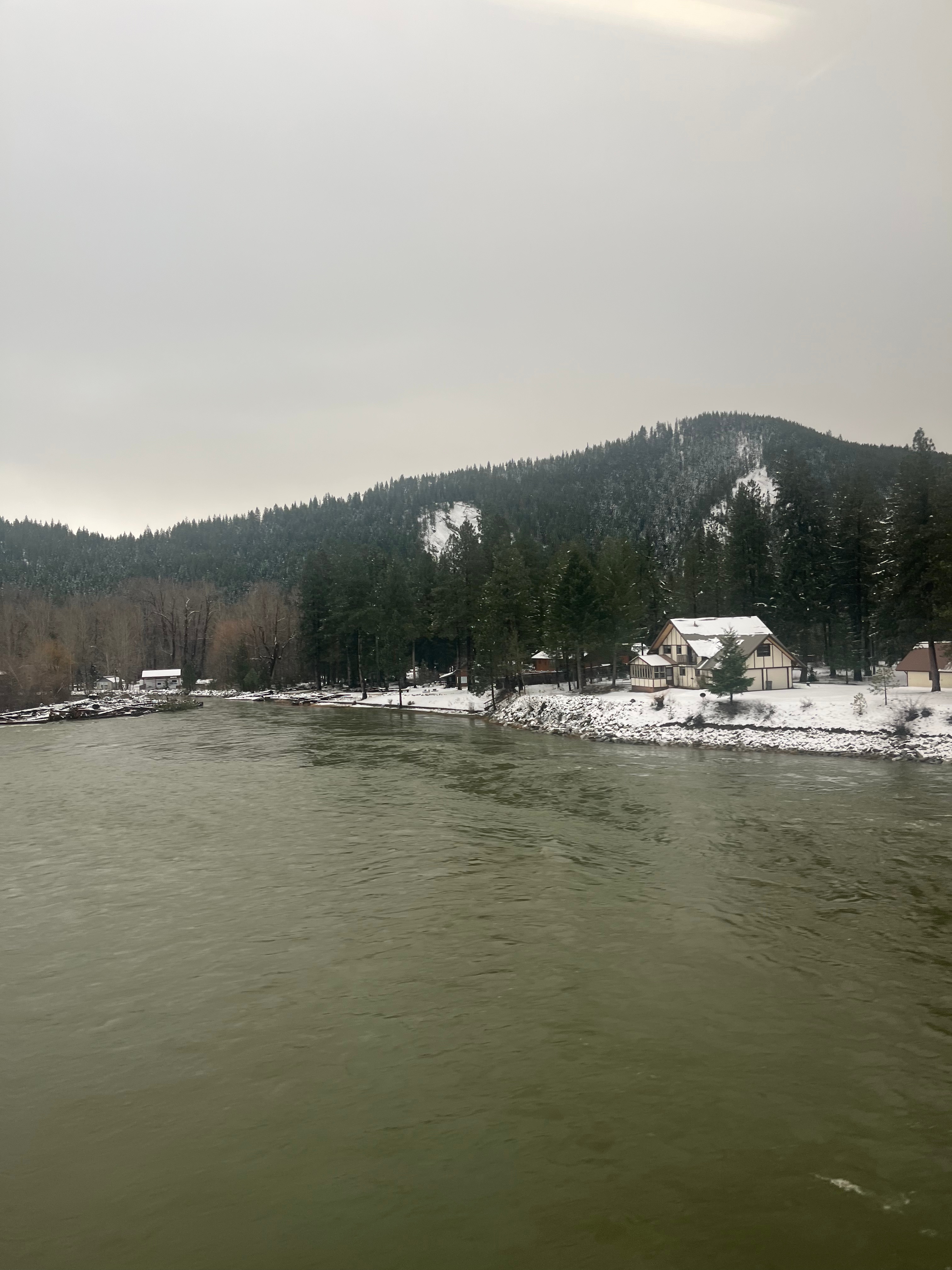
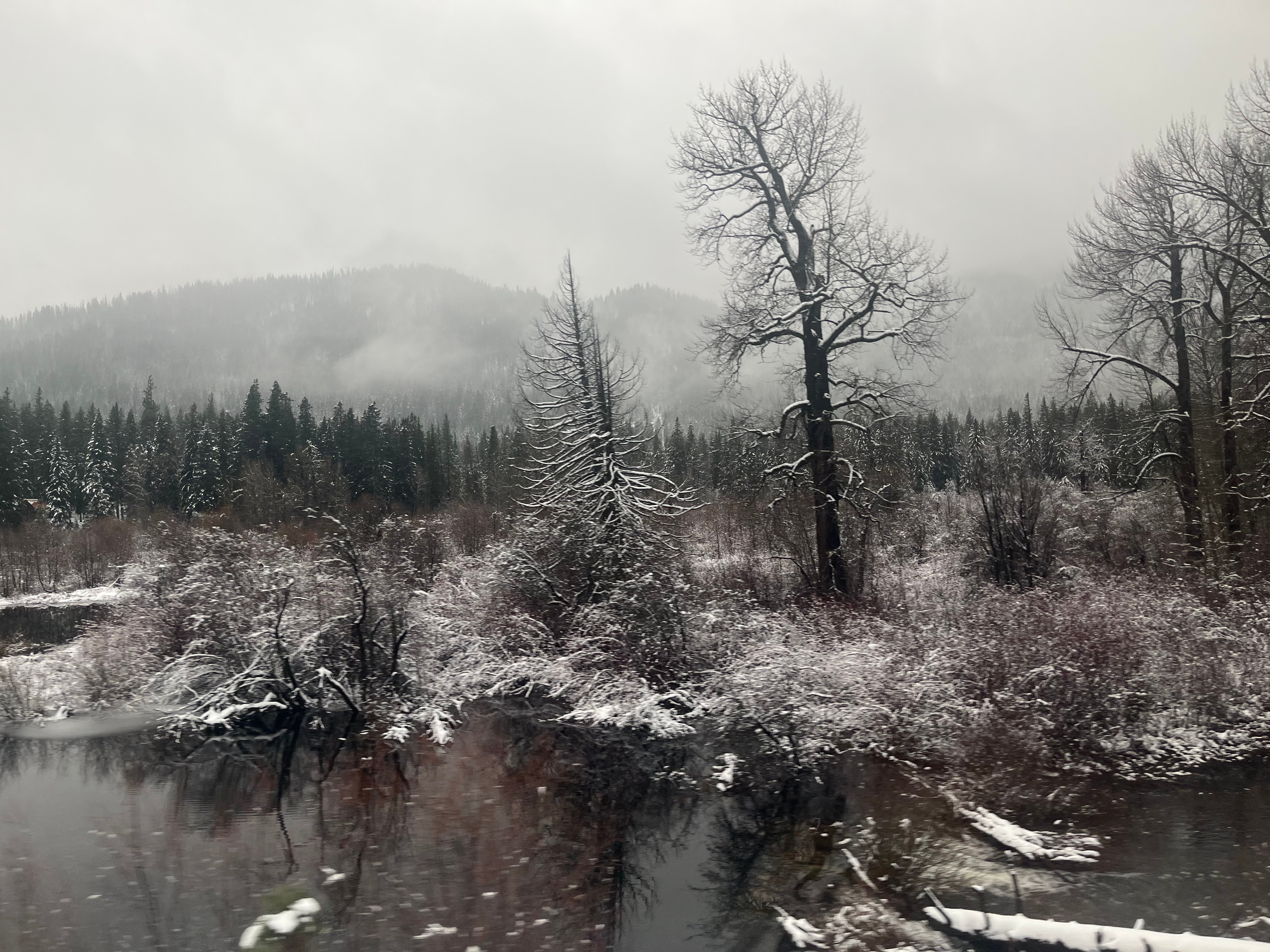
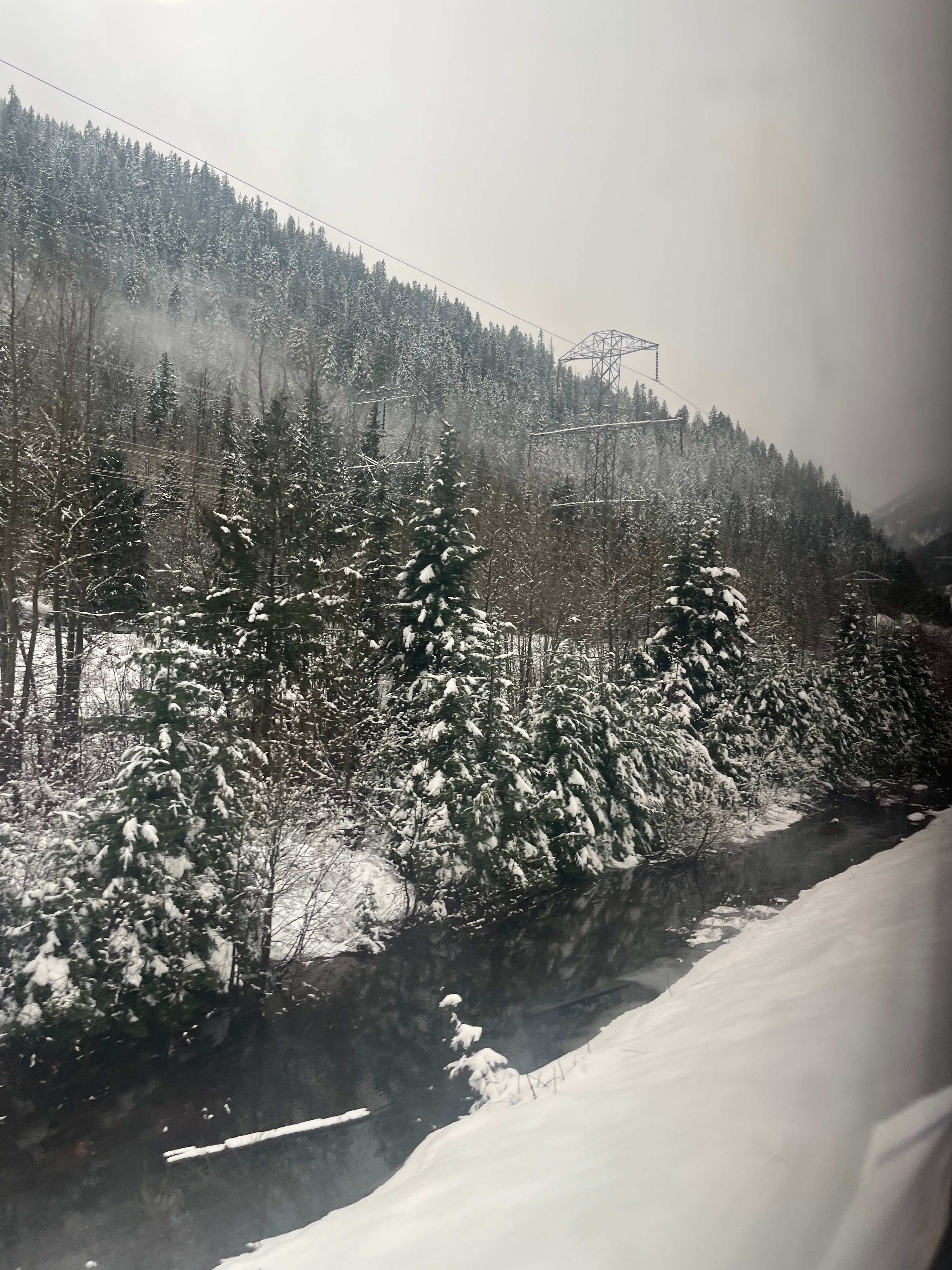
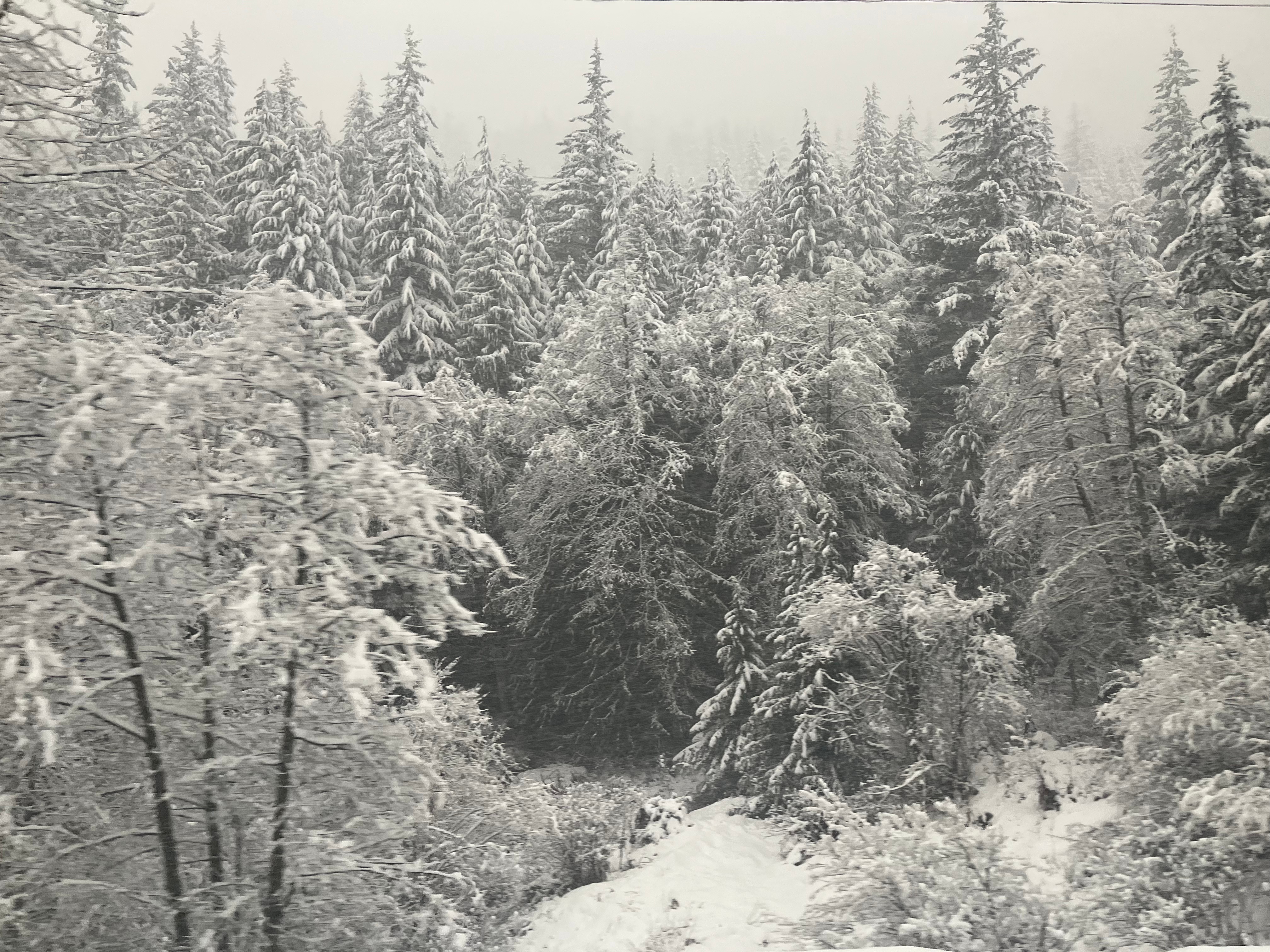
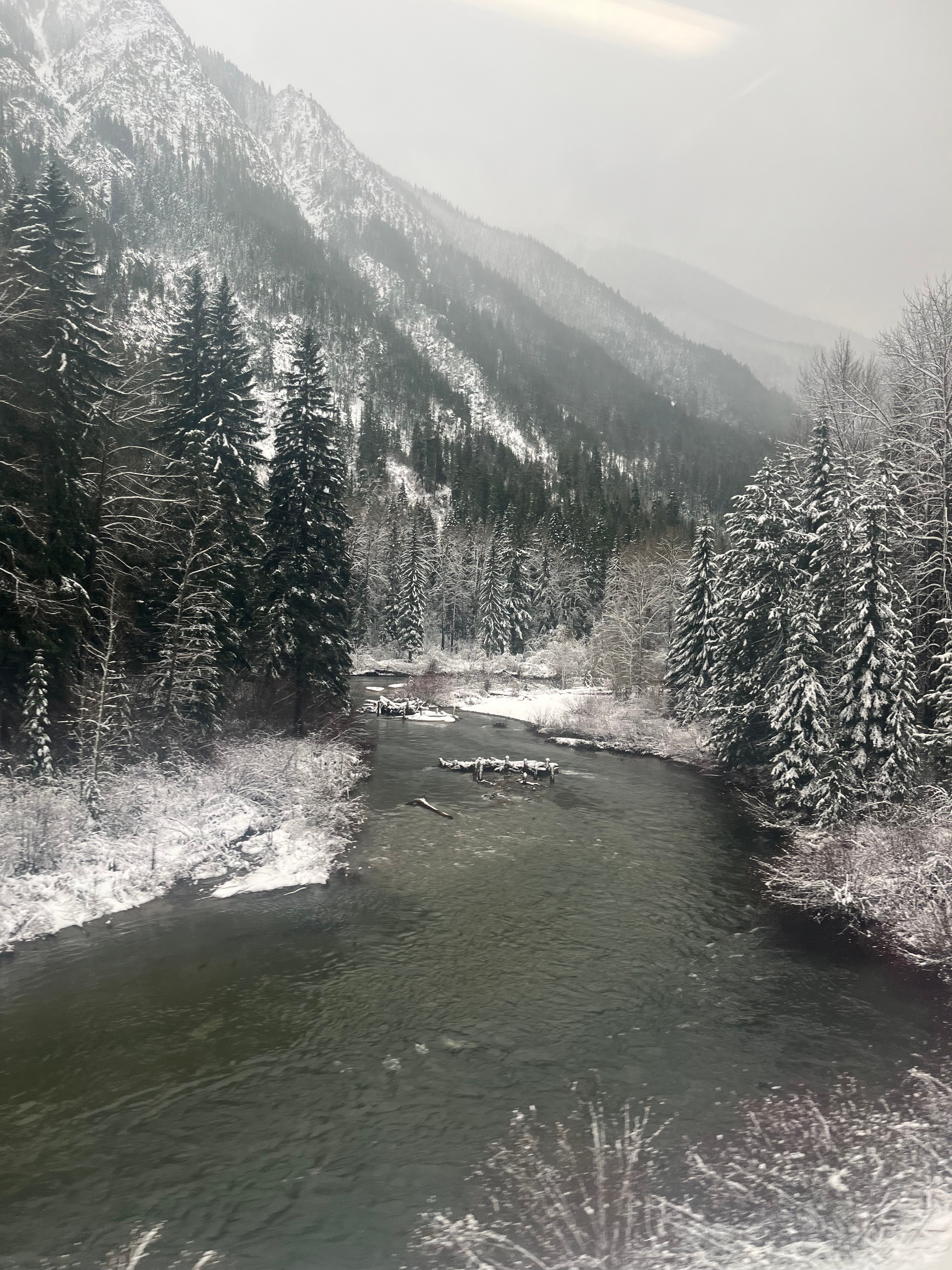
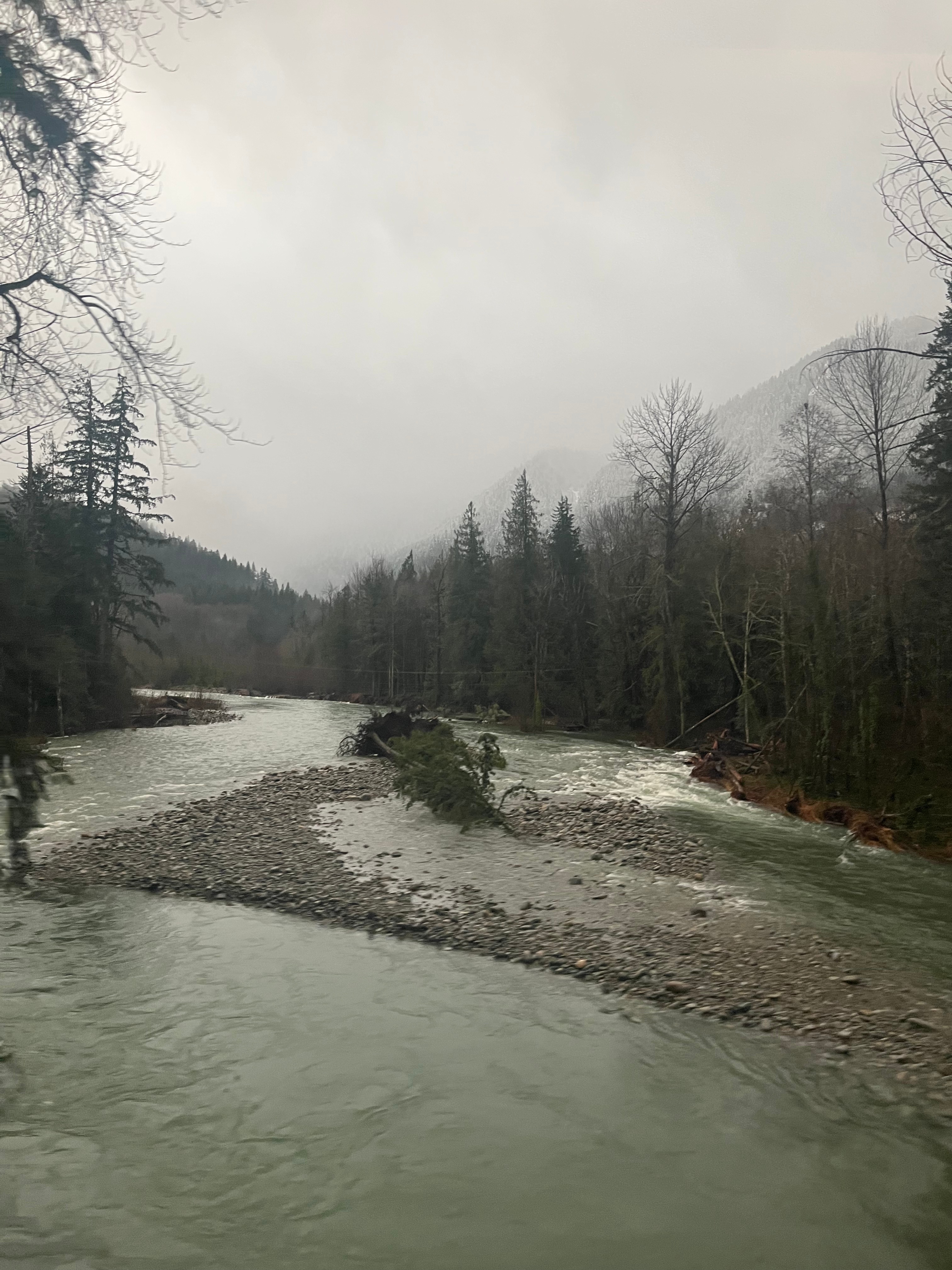
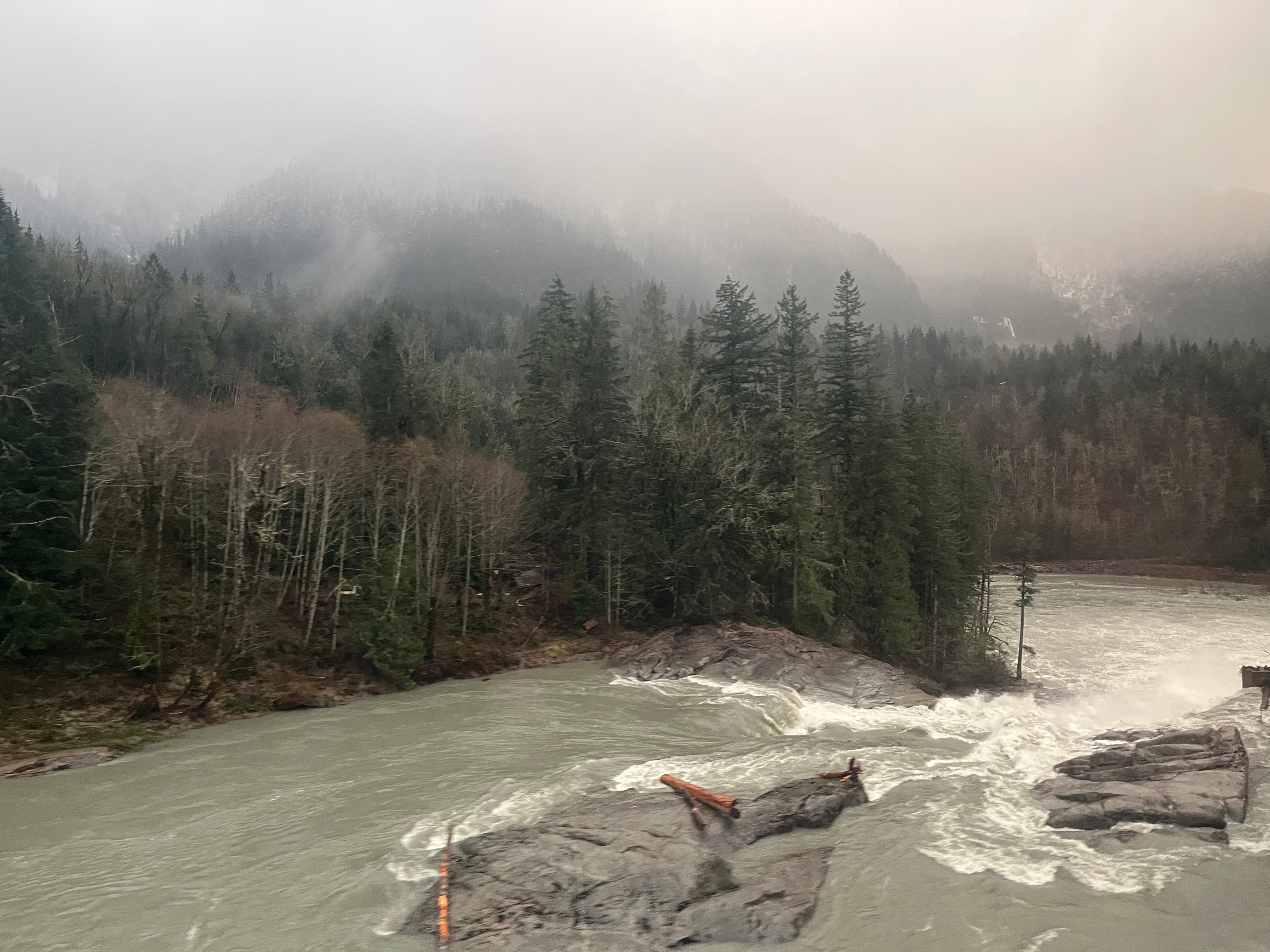
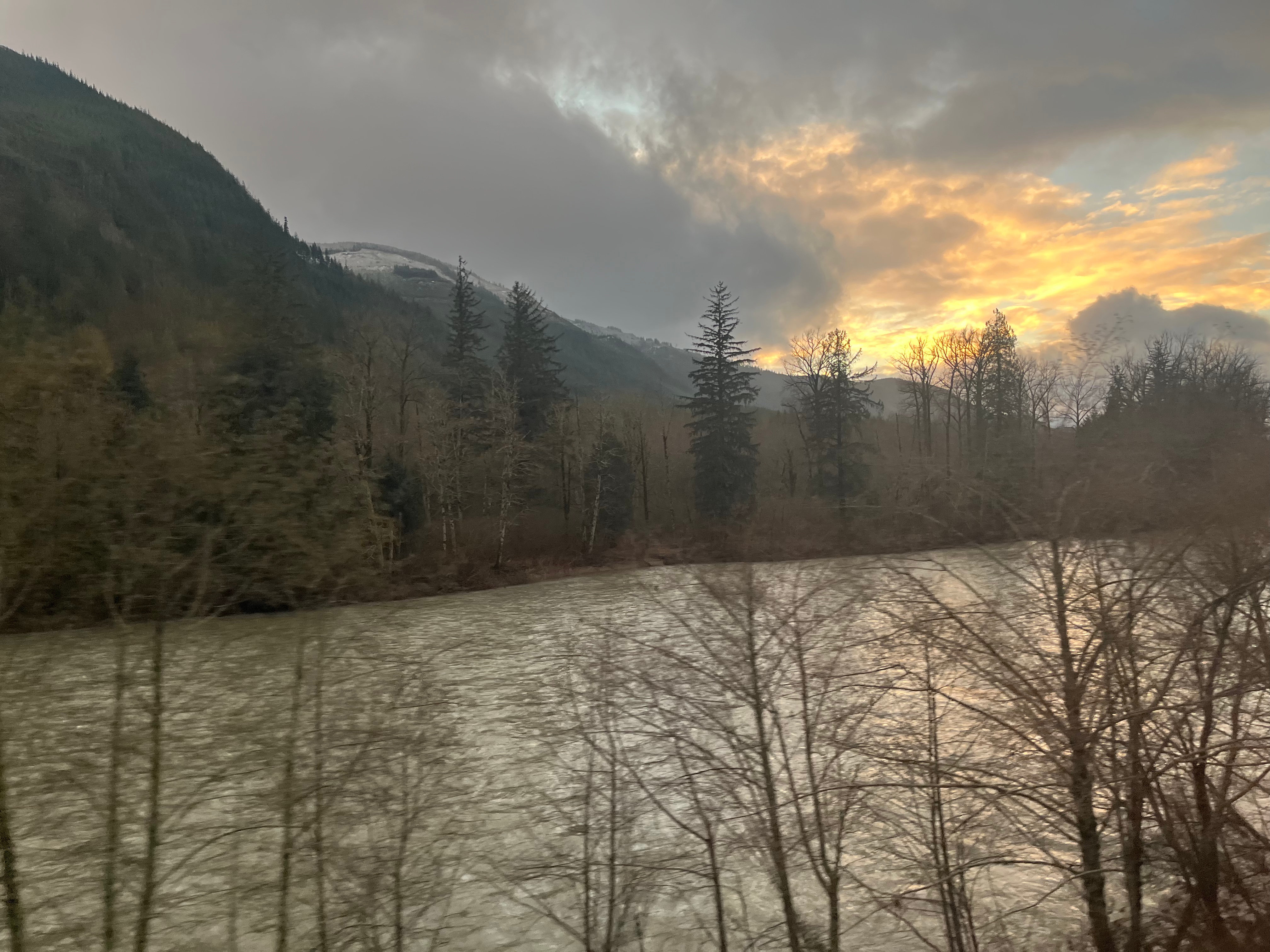
Between meals, my brother and I took in the scenery, especially the snow-covered mountains and trees we saw while waiting outside the Cascade Tunnel. For those unfamiliar, the Cascade Tunnel is similar to the Moffat Tunnel on the California Zephyr in that it’s so long that diesel exhaust builds up inside. However, unlike on the Zephyr where passengers are told not to move between cars, no such announcement was made here. Instead, trains on this route must wait about 15 minutes after the previous train exits so the ventilation system can clear the tunnel. In true Amtrak fashion, two freight trains were routed through ahead of us, adding yet another delay.
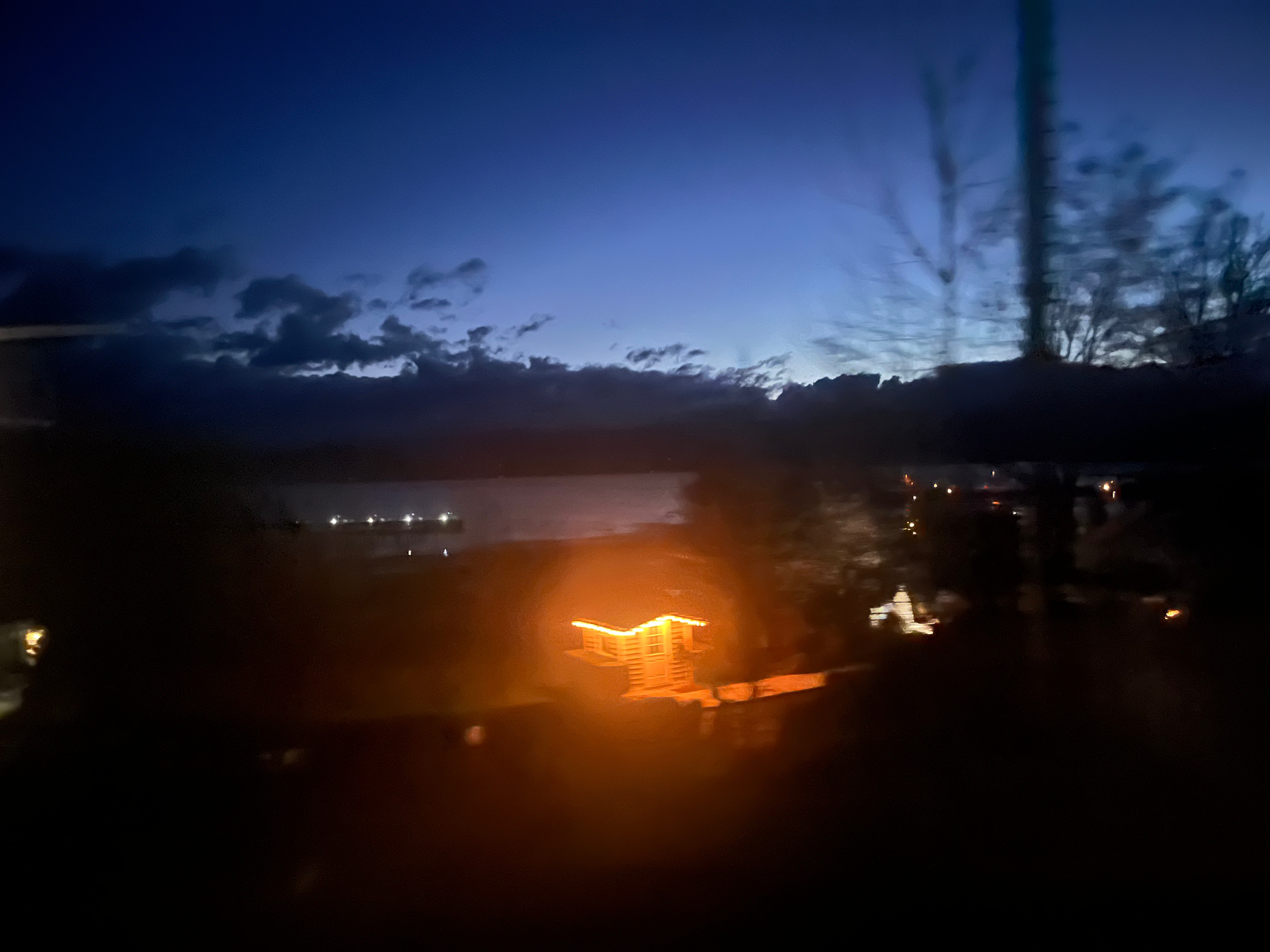
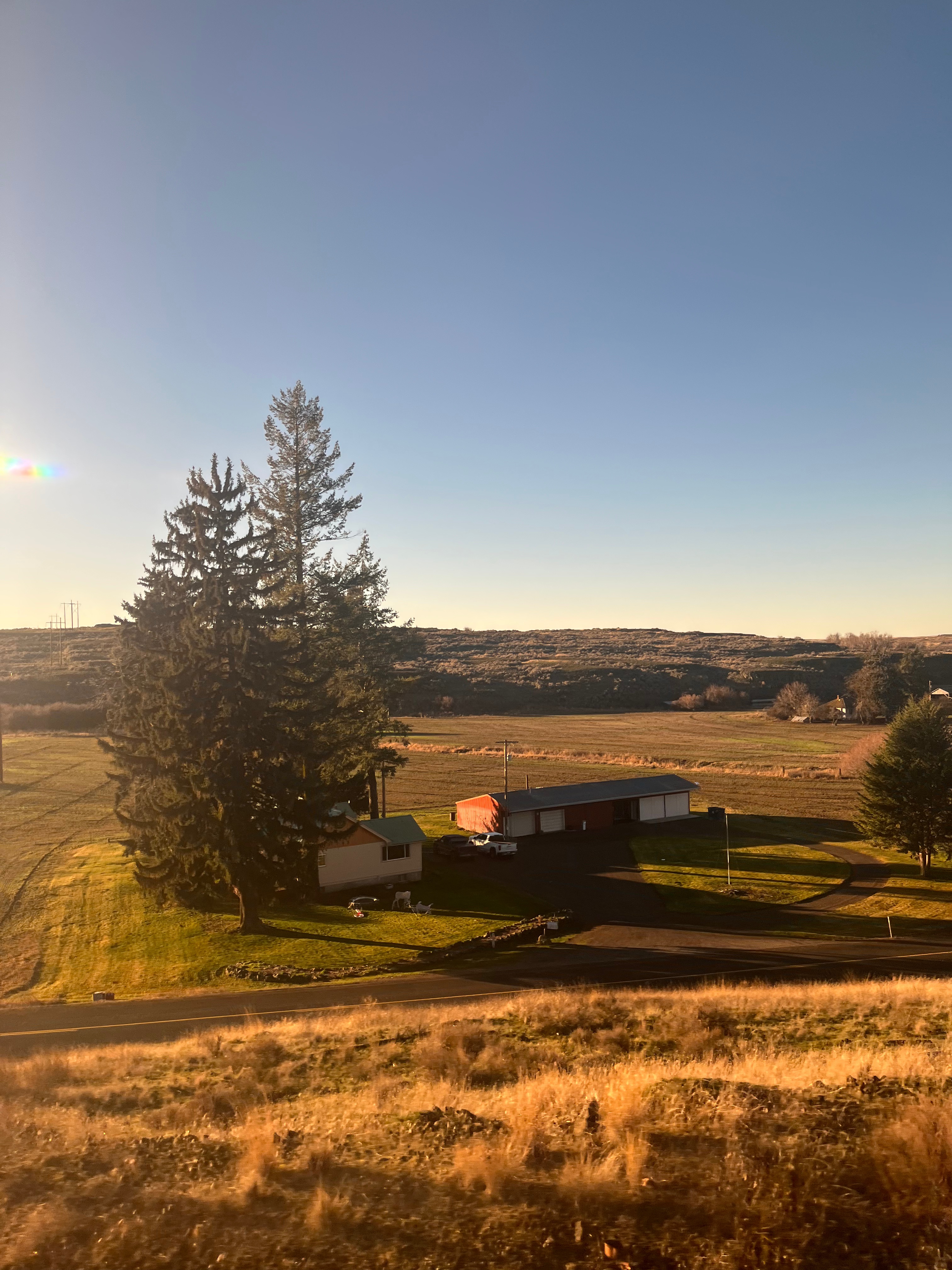
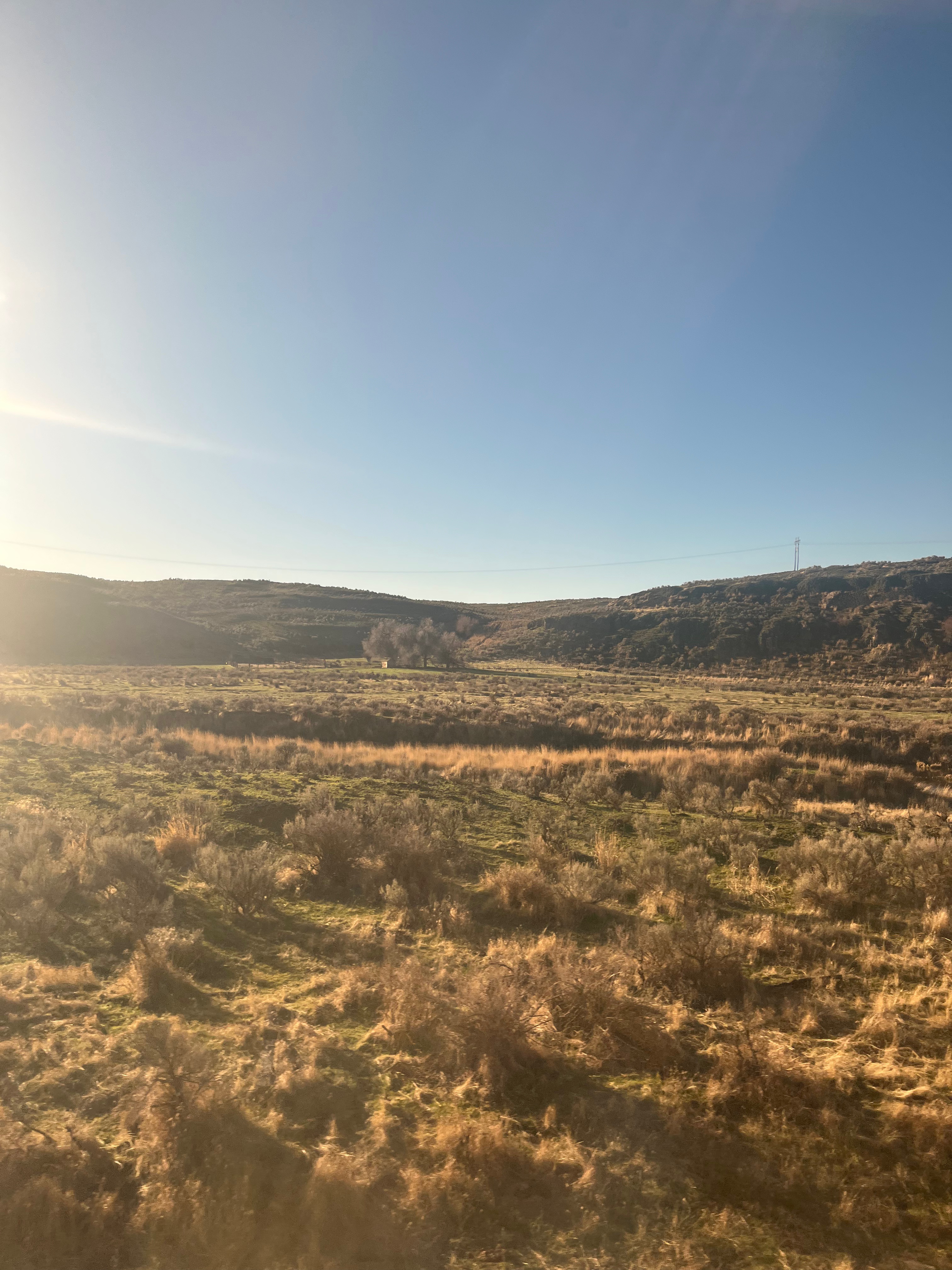
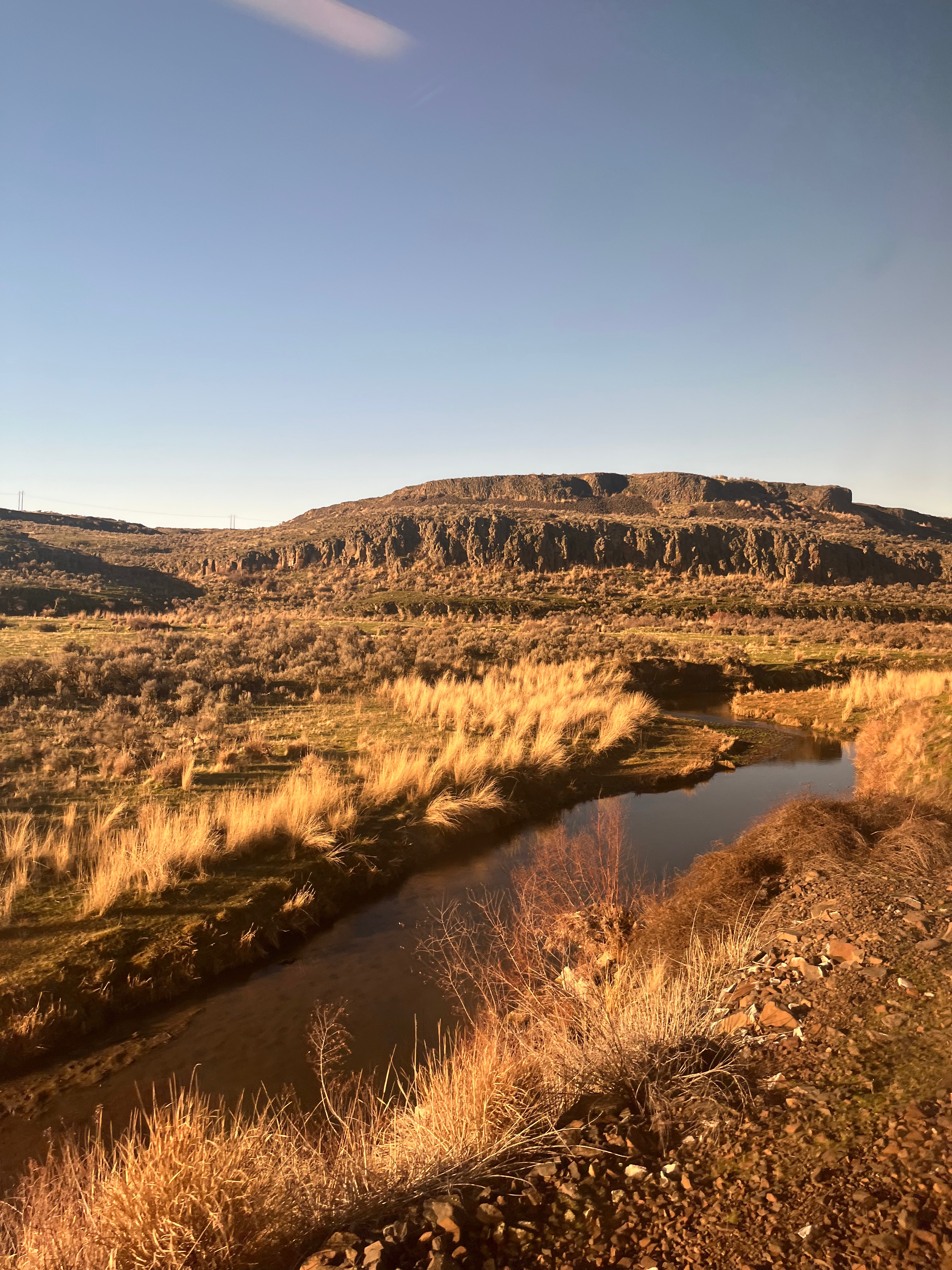
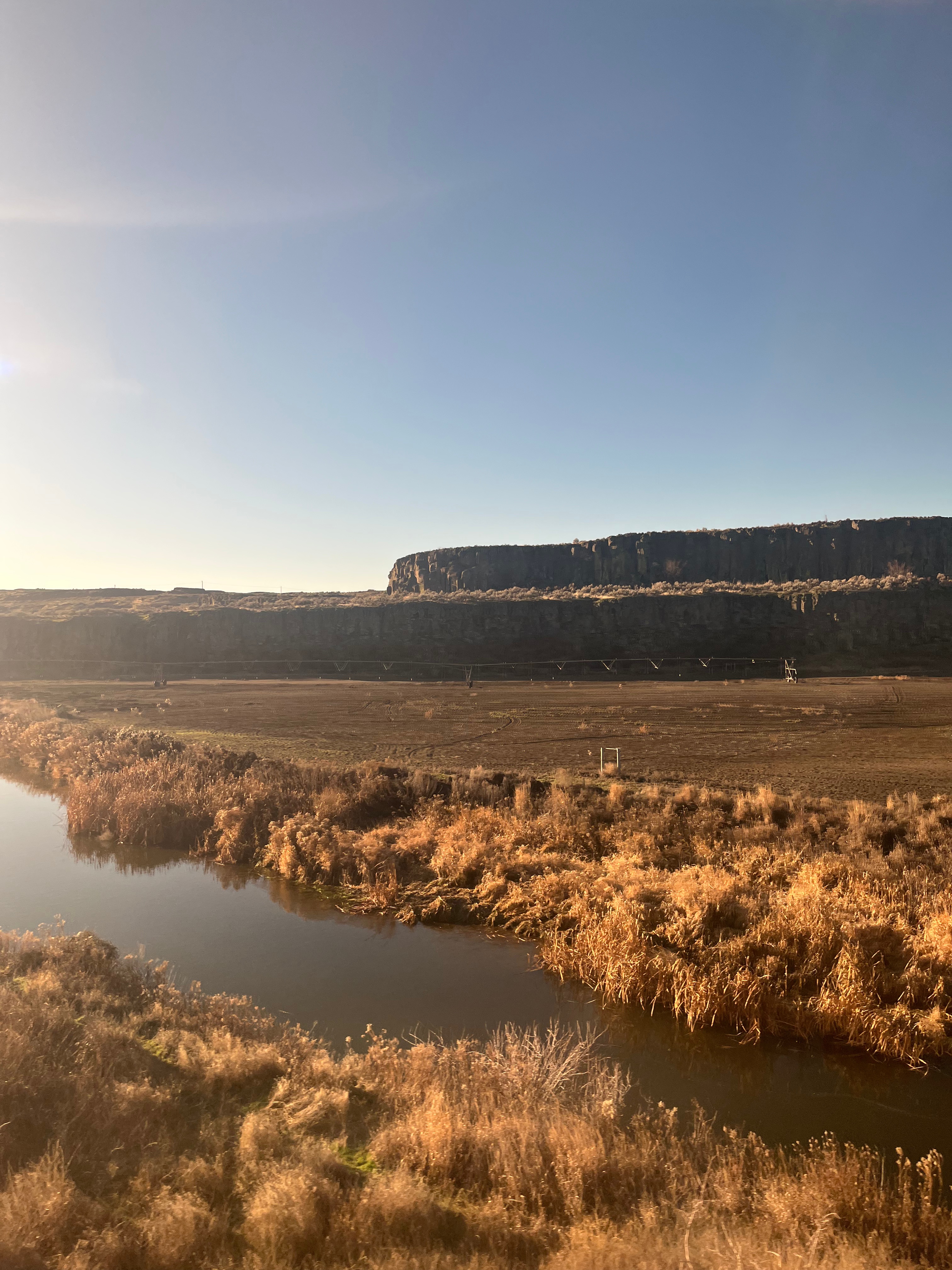
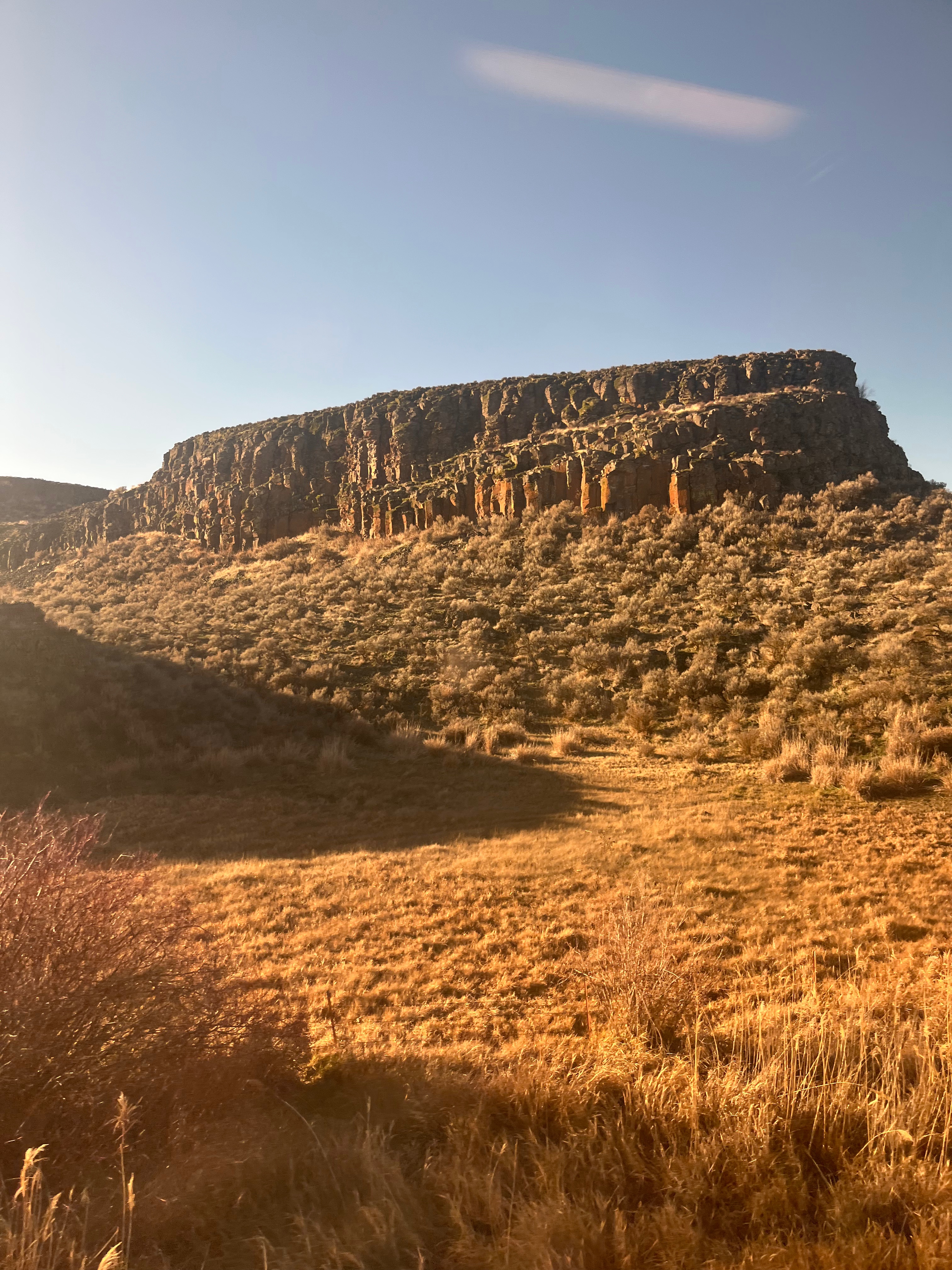
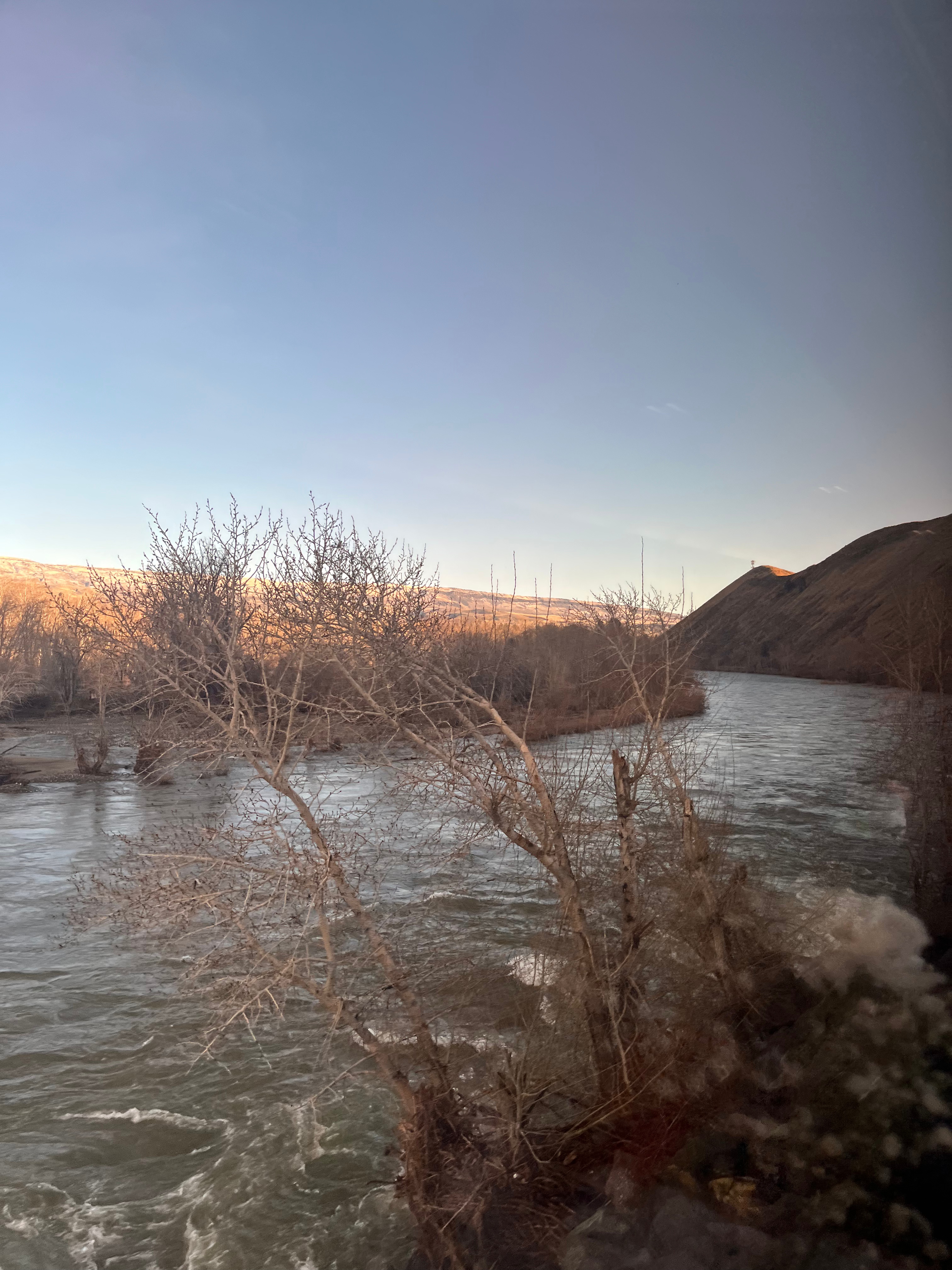
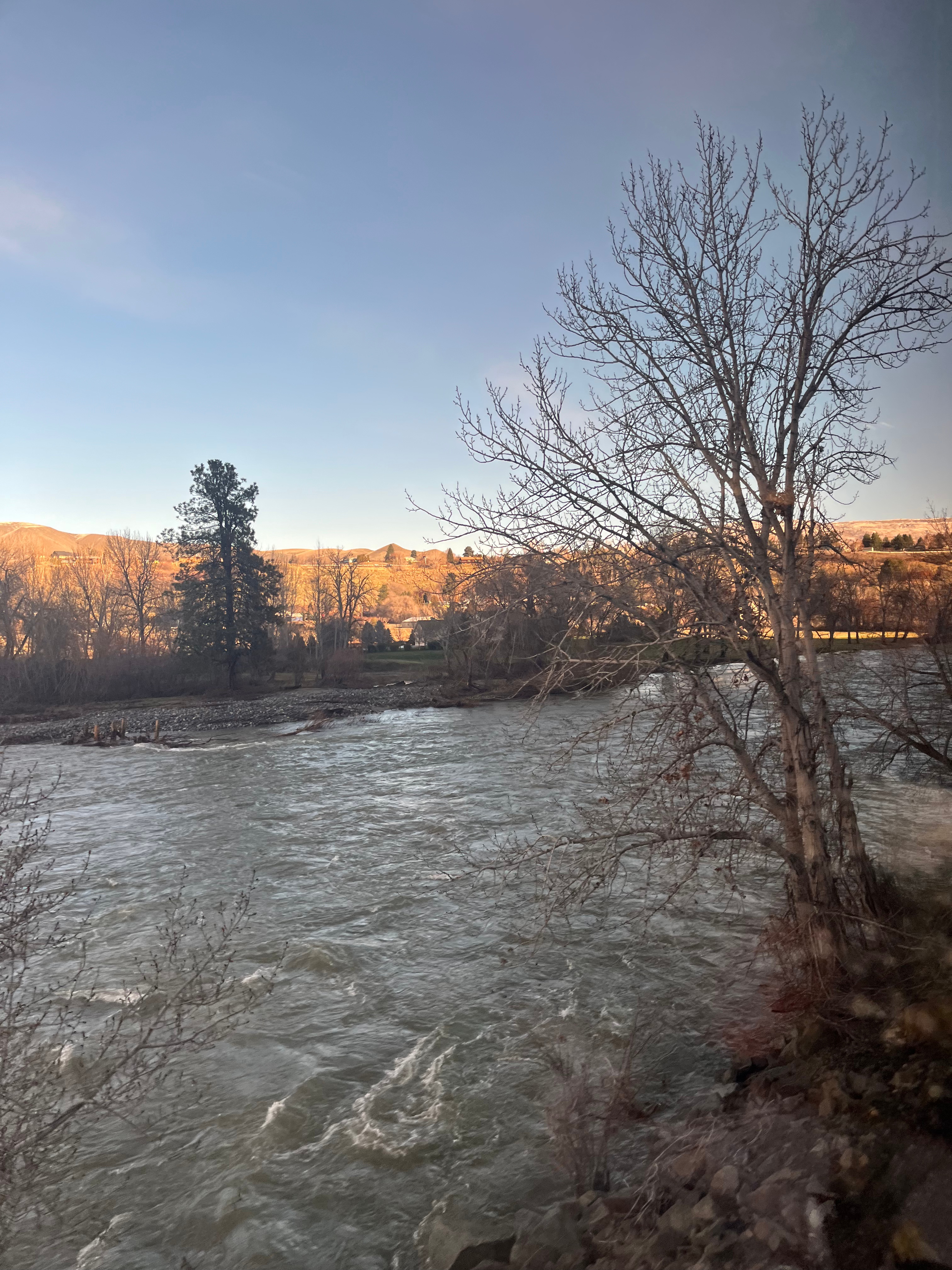
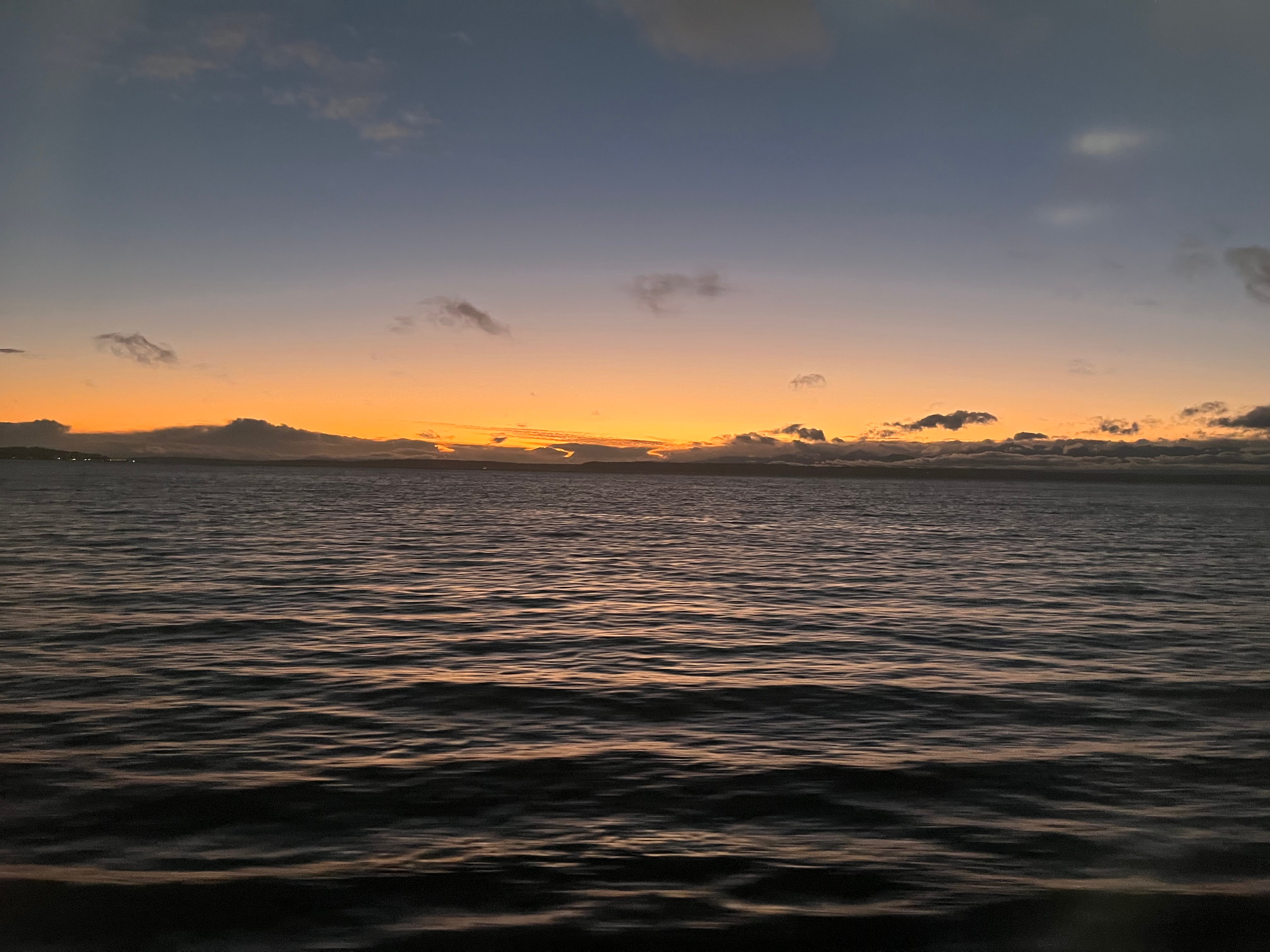
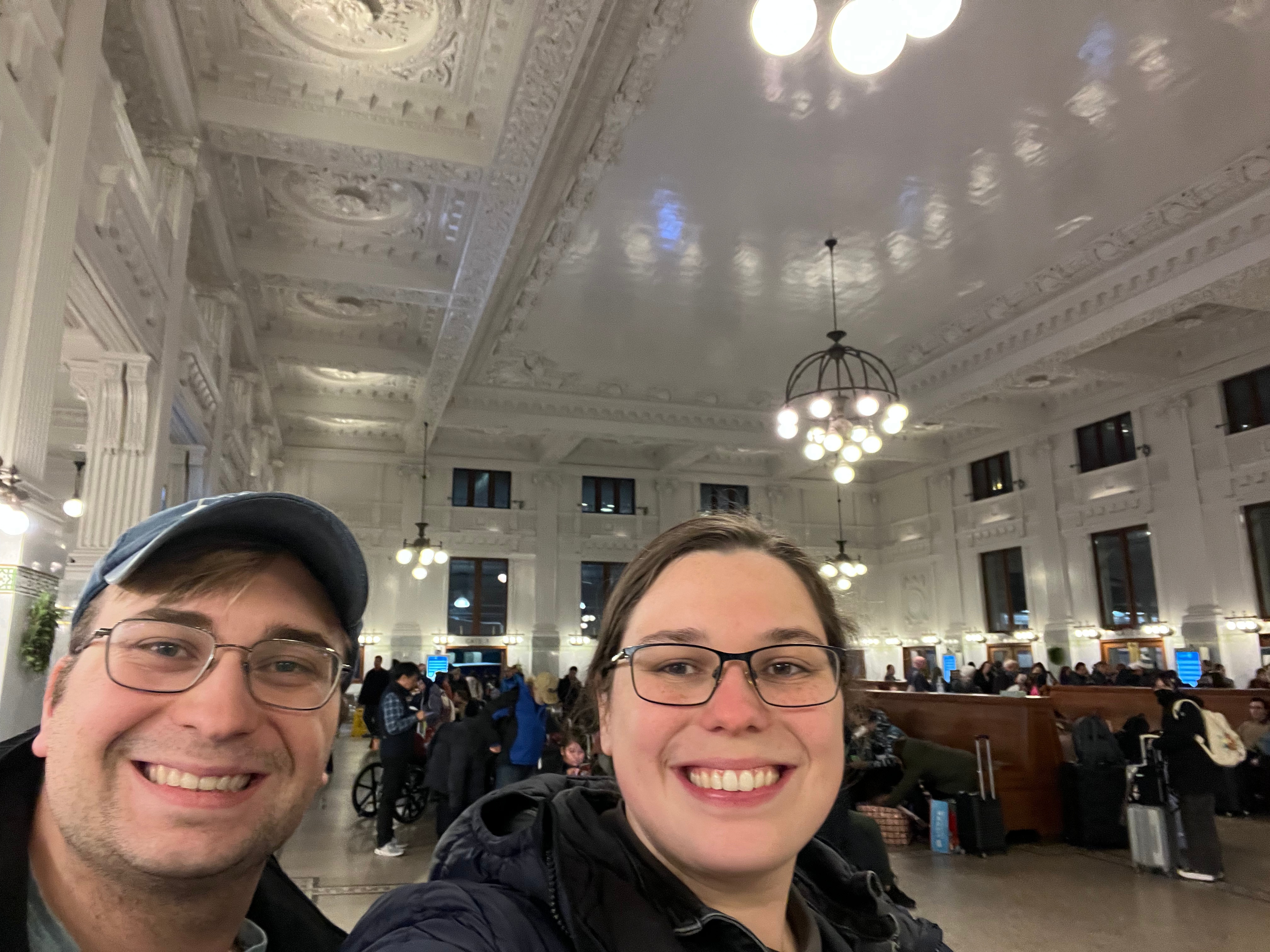
Eventually, though, we were moving again, riding into Seattle just as the sun was setting over the Puget Sound. All said and done, we arrived at King Street Station around 5:30 p.m., a full six hours behind schedule, but with no shortage of memorable views to show for it. We grabbed dinner at a nearby restaurant and checked into our hotel.












Days in Seattle
In case you decide to take this same route and find yourself in Seattle, here are a few of the things we got up to.
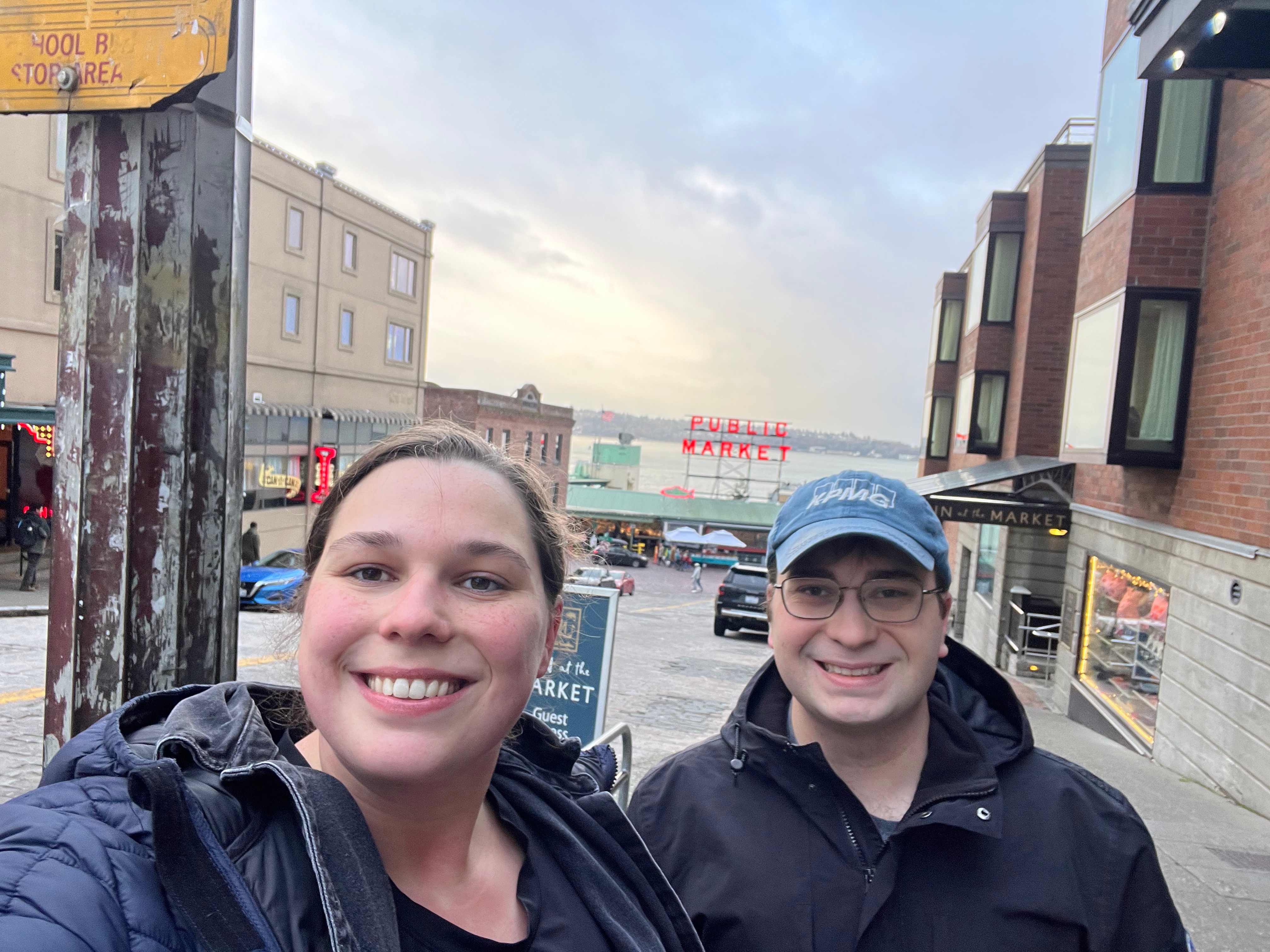
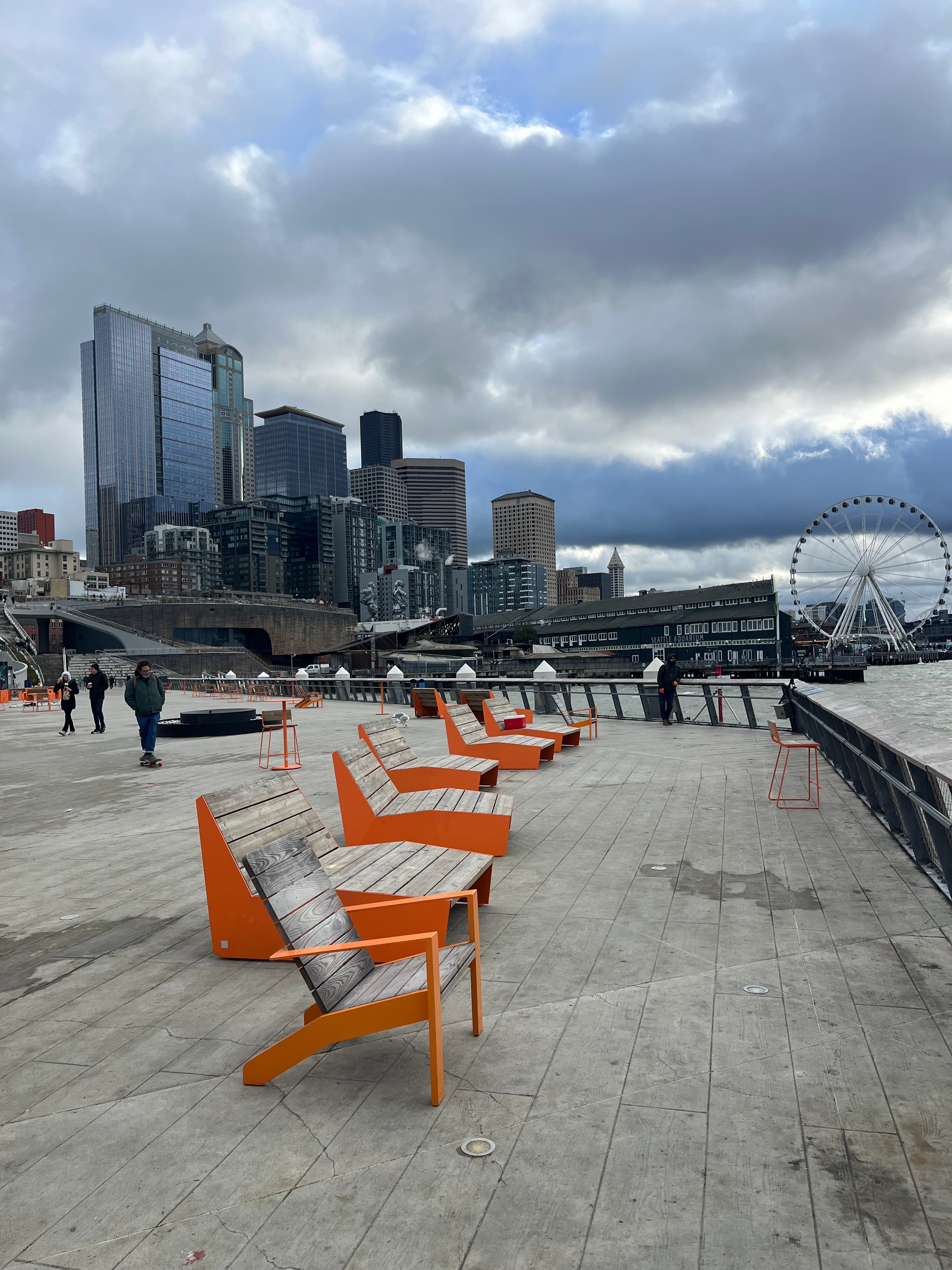
- Pike Place Market/First Starbucks – Patrick really wanted a Pike Roast on Pike Street, so this was a must for him. Pike Place Market is also right across the street, so we decided to walk by the endless storefronts. We also did quite a bit of walking along the waterfront
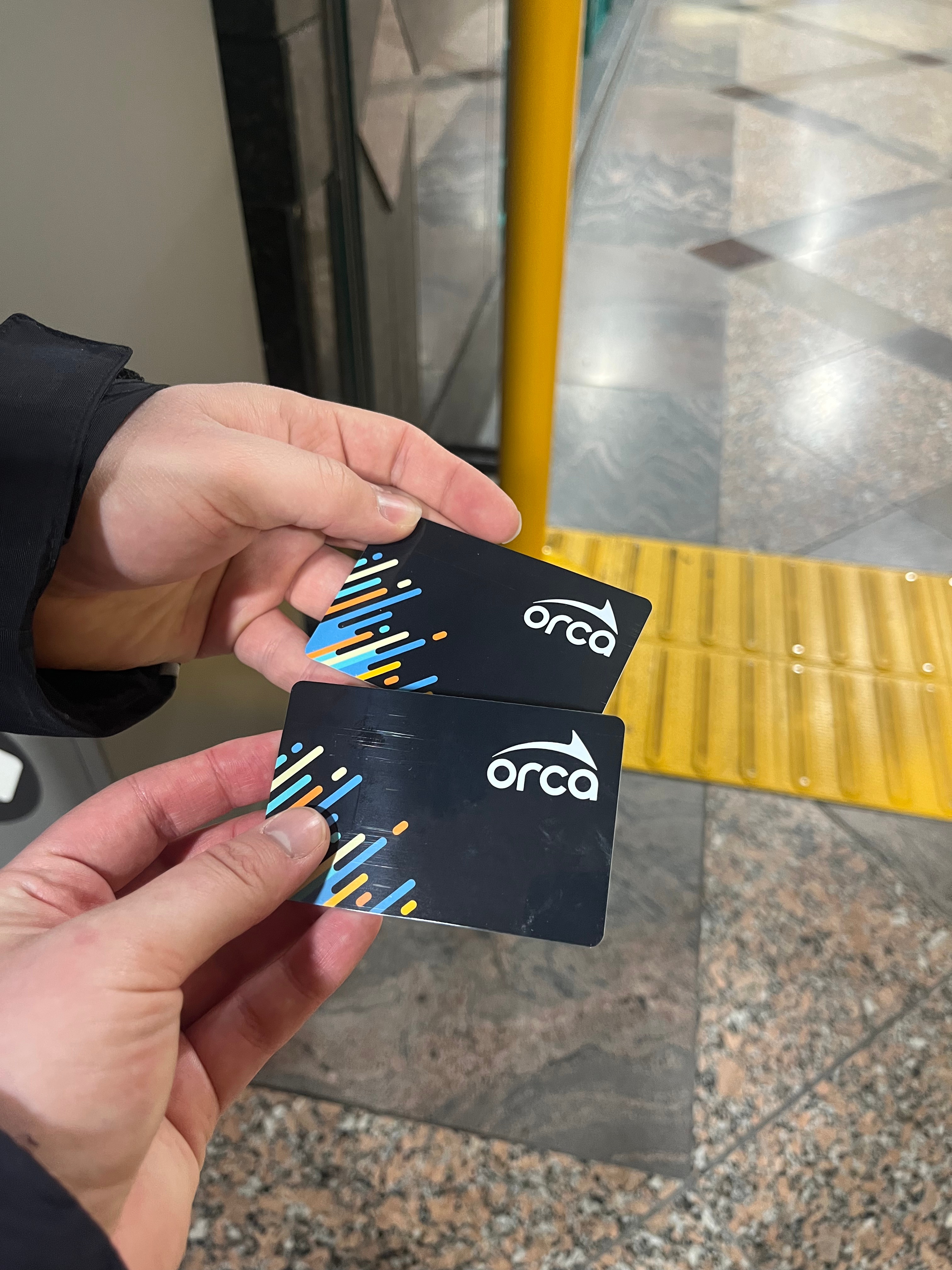
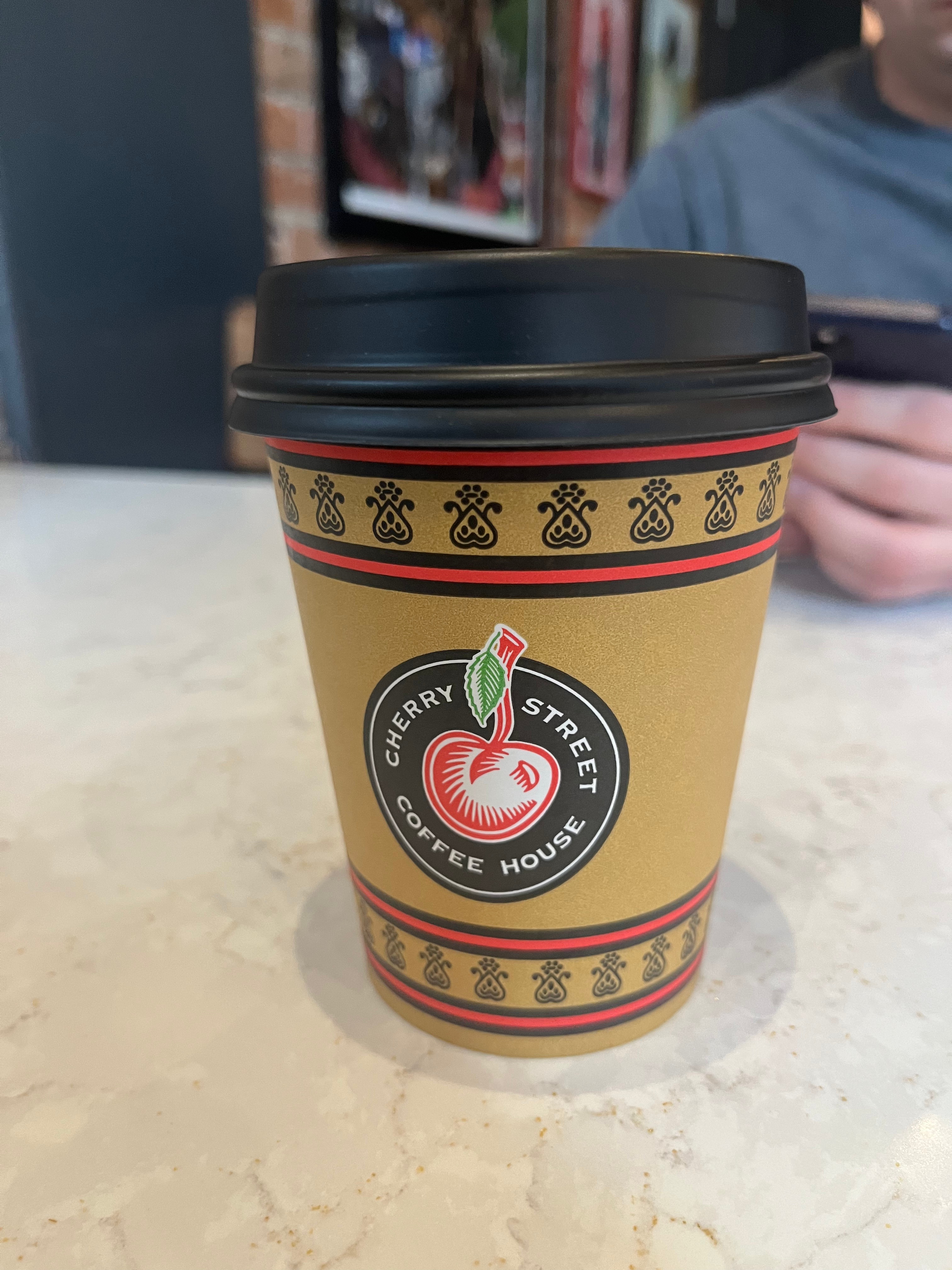
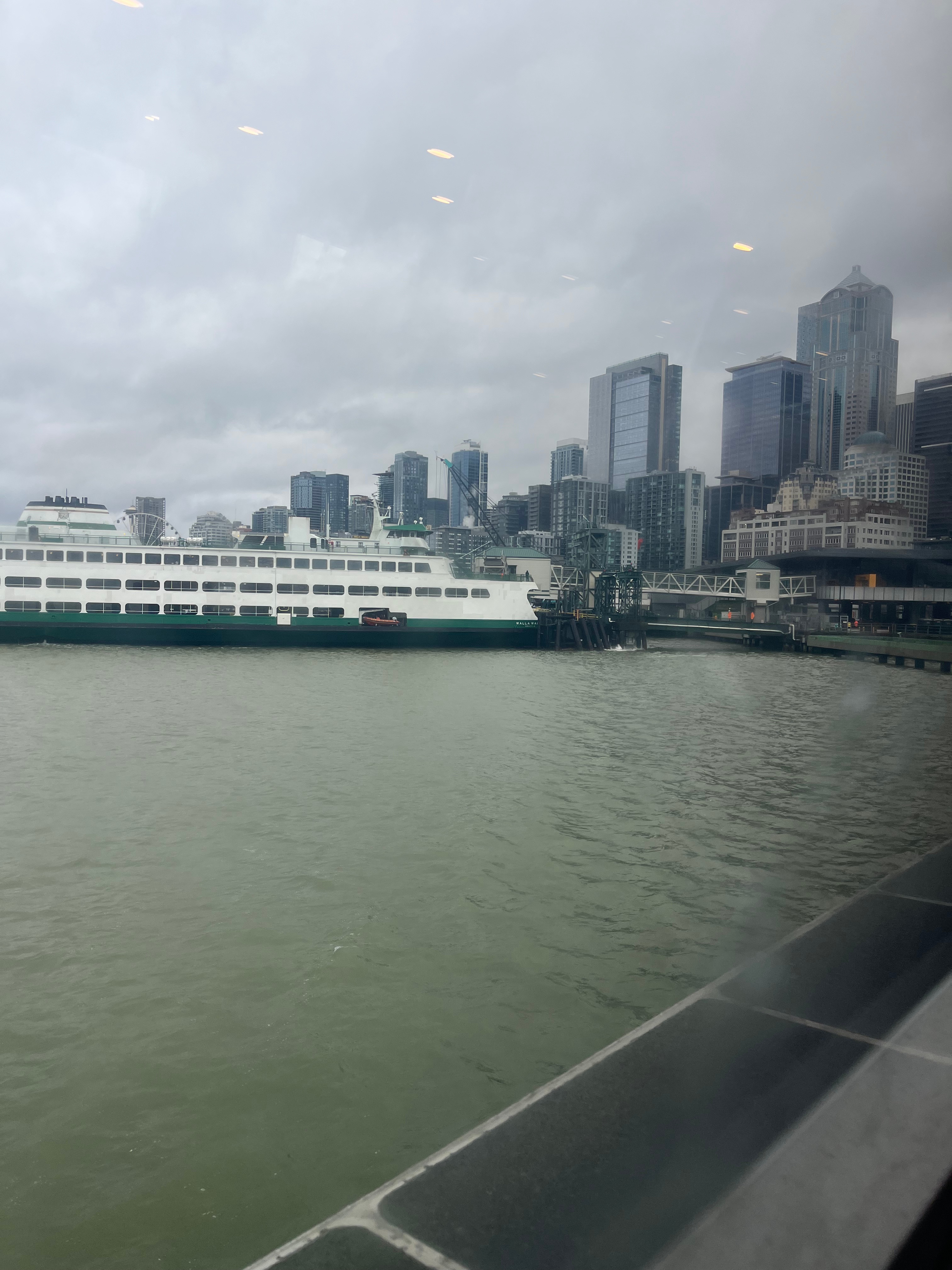
- King County Water Taxi – We came across this while walking along the waterfront. We got there right after a boat left, so we walked up to Cherry Street Coffee House to grab a warm drink and wait for the next one. Once we got on the water taxi, we rode it to and from West Seattle. Paying for the fare is easy with an ORCA card, which we grabbed on our way to Pike Place Market
- Beneath the Streets Walking Tour – Seattle has (or had really) a network of underground tunnels. We were able to walk through what remains on this tour and learned a lot of cool things about how Seattle came to be.
- Seattle Center – Obviously we had to go walk by the Space Needle. There’s also a ton of other cool things you can do in the area, such as the Chihuly Garden and Glass Museum and International Fountain. We also jumped on the monorail to downtown and back, also easily paid for with our ORCA cards
- Christmas Markets – Because we went around Christmas, there were plenty of Christmas markets. We dropped by the Seattle Christmas Market in Seattle Center and another one at Pacific Place (unfortunately forgot the name)
- Klondike Gold Rush Natural History Museum – One of our last stops in town, highly recommend! It was especially interesting after all we learned during the Beneath the Streets Walking Tour.




Final Thoughts
Another great Amtrak trip! In my opinion, the Empire Builder is absolutely a must-do route. That said, there are a few tradeoffs worth keeping in mind when booking.
I personally loved traveling in winter, largely because of the snow. I’ve always pictured the Empire Builder as a “winter train,” given the climate of the states it crosses. This trip definitely lived up to that expectation for me, especially with that blizzard we went through. The train was also noticeably less crowded than my July ride on the California Zephyr, since long-distance Amtrak travel peaks in the summer. Less demand also means considerably cheaper fares, which can be especially evident for sleeper accommodations. However, the main drawback to traveling this time of year is daylight. In some places the sun doesn’t rise until around 8:30 a.m. and sets as early as 4:30 p.m., significantly limiting viewing time. For some travelers, that alone could be a dealbreaker.
The train itself was also much cleaner than the California Zephyr in July. I didn’t even feel the need to break out my pack of wipes for a quick room wipe-down. While I can’t say for sure, I suspect the lighter passenger load gave attendants more time and fewer rooms to turn over.
As for sleeper accommodation type, I don’t think upgrading to a bedroom is necessary if you’re traveling with someone else. We originally booked a roomette, but with lower demand, the upgrade to a bedroom was fairly reasonable. Still, I saw plenty of people sharing roomettes without any obvious issues. In fact, I actually prefer the communal shower as it’s much larger, you don’t have to shower over a toilet, and there’s no risk of your travel companion forgetting to close the toilet paper holder and soaking the roll (which I would consider the lowlight of this trip). Because we needed a bit more personal privacy than a couple might, we had to kick each other out of the room to change after showers anyway, which limited the usefulness of the private bathroom. That said, the extra space, larger beds, and personal toilet in the bedroom were still appreciated.
Finally, I can see why some people find Day 2 a bit dull. This portion of the route isn’t consistently scenic in the way the California Zephyr is, with its near-constant, head-turning views. But it’s hard to beat the Zephyr in that regard, and the plains have their own quieter appeal if you give them a chance. If you’ve already ridden the California Zephyr and are looking for a slower-paced trip with standout scenery in certain places, the Empire Builder is a great choice.
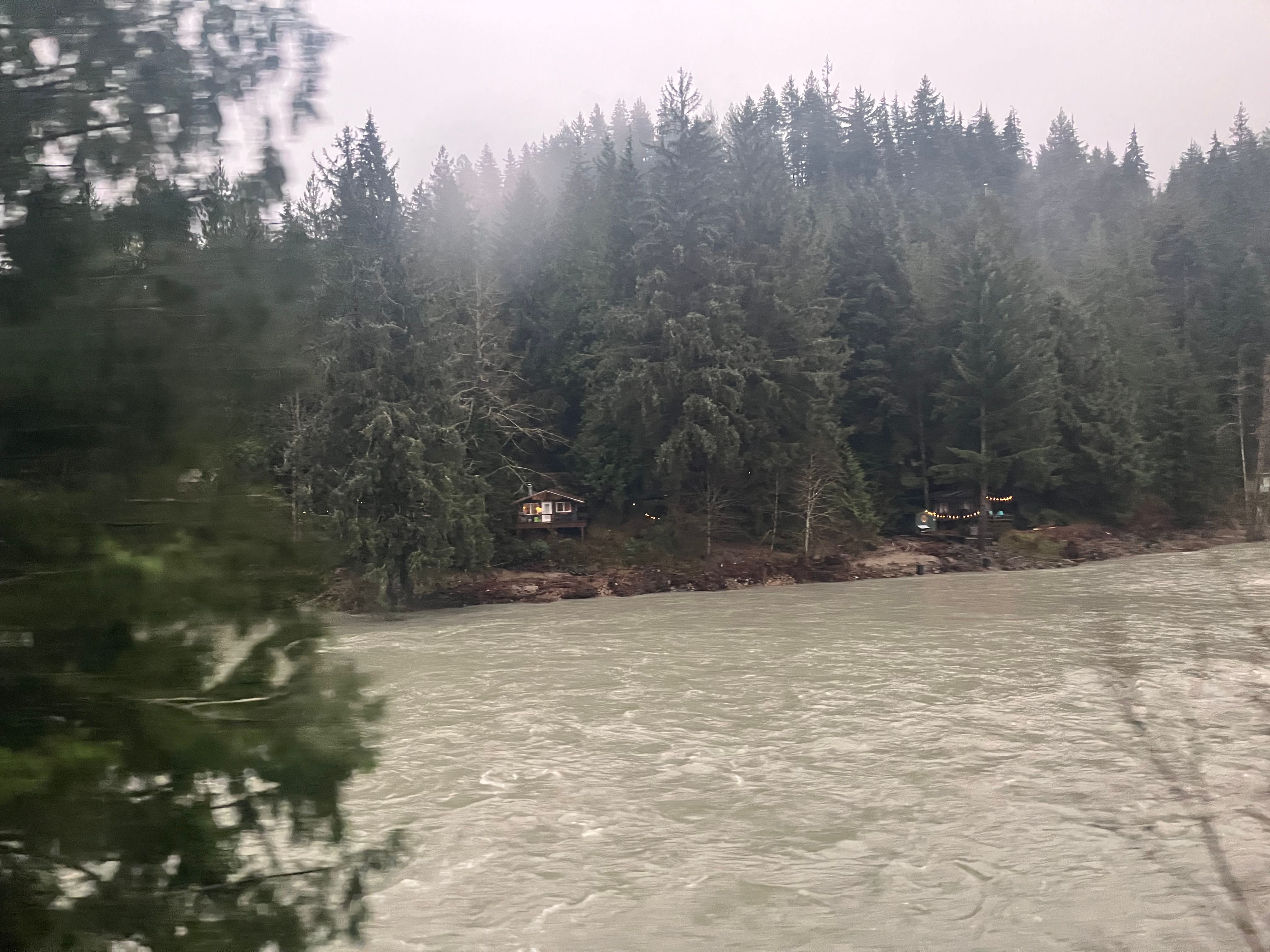
Finally, the impact of the Washington floods that began earlier this month was impossible to miss. While active flooding and conditions have improved, many communities across the state continue to face ongoing damage, with rebuilding and recovery expected to stretch well into 2026. If you feel so inclined and don’t have a go-to organization, below are links to a couple of reputable organizations you can donate to.
Washington State Flood Relief 2025 | Washington Gives
December 2025 Flood Relief Efforts – United Ways of the Pacific Northwest
 Commute Curios
Leave a comment